November 03, 2021 FOMC Press Conference
November 03, 2021
Guten Morgen Traders,
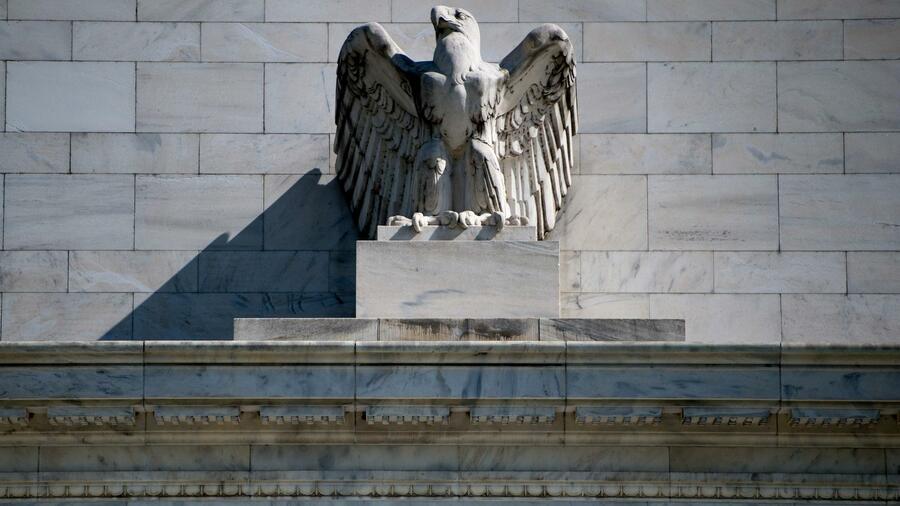
 FED Chairman Jerome Powell, geht wieder in den Rate-Hike-Cycle Modus über. Die Pandemie ist finanzmarkt-technisch absorbiert, die Stimmung vorsichtig optimistisch.
Jerome ist eigentlich kein Freund des Quantitativ-Easing, welches die Geldmenge erhöht. Vor der Pandemie, welche drastische Maßnahmen erforderte, wurde der Kurs bereits in Richtung ‚Tightening‘ gesetzt
Ein Rate-Hike-Cycle hatte begonnen, lediglich durch die harsche Kritik von Präsident Donald Trump in Frage gestellt.
Schon damals hatte die FED über Jahre eine stabile Arbeitsmarktentwicklung begleitet und über viele Kanäle die Schlagkraft der eigenen, zur Verfügung stehenden Instrumente validiert (dennoch: selbst Jerome gesteht ein, dass in der jetzigen, historisch einmaligen pandemischen Situation, die Auswirkungen makro-ökonomischer Operationen nur empirisch beurteilt werden könne).
Nun, nachdem mit einer historisch unvergleichlichen Geldschwemme, die destruktiven Auswirkungen des Coronavirus auf die Märkte, auf die gesamte Ökonomie vereitelt wurde, wendet sich der Blick zurück auf die Lage vor der Pandemie.
Da ja der Arbeitsmarkt, die gesamte Ökonomie auf einem robusten, progressiven Weg war, die aktuelle Erholung von den ökonomischen Pandemie-Effekten beschleunigt an Fahrt gewinnt, ist Jerome sehr geneigt, seine Marktdoktrien wieder auf zu nehmen.
Das bedeutet ersteinmal etwas sehr Gutes: die FED hatte mit der Geldschwemme lediglich die Funktionalität der Märkte im Kampf gegen eine Pandemie im Blick. Jetzt möchte sie schnell wieder, wenn auch unter veränderten Vorzeichen, Normalität einfliessen lassen, die Märkte von Kredit-Subventionen entwöhnen.
Jerome ist in einer aussergewöhlich luxuriösen Situation. Wenn die Zentralbanken normalerweise eine Inflation befürchten, befindet sie sich bereits am Ende eines Rate-Hike-Cycles und hat bereits jedes Quantitativ-Easing eingefroren.
Heute aber, ist zum einen 1) Inflation gar nicht so unwillkommen, zum anderen 2) beginnt man bei einem Leitzinssatz von nahe Null bei einer Bilanz-Ausweitung von $120 Milliarden pro Monat.
Viel Holz also zum einschlagen, sollte die Inflation in irgend einer Weise zu einem Problem mutieren.
Als nächstes erwarten wir die Bank of England mit dem Vorsitzt Andrew Bailey’s.
Good morning traders,
 FED Chairman Jerome Powell, goes back to the rate-hike-cycle mode. The pandemic has been technically absorbed by the financial markets, the mood is cautiously optimistic.
Jerome is actually not a very big supporter of quantitative easing, which means to increase the amount of money. The pandemic required drastic quantitative easing measures, but before those took place the course was already set in the opposite direction of monetary ‚tightening‘
A rate-hike cycle was in place, only challenged by harsh criticism from President Donald Trump who promoted a weaker US-Dollar.
Even then, the FED had observed a stable labor market development for some years and validated the effectiveness of its own available instruments through many channels (nevertheless: even Jerome admits that in the current, historically unique pandemic situation, the effects of macro-economic operations only can be empirically assessed).
Now, after the destructive effects of the coronavirus on the markets and on the entire economy were thwarted by a historically incomparable glut of money, the view is turning back to the situation before the pandemic.
Since the labor market, the entire economy was on a robust, progressive path, plus the current recovery from the economic pandemic effects is gaining momentum, Jeromie is very inclined to resume his macro economic doctrine.
First of all that means something very good : with the glut of money, the FED only secured the functionality of the markets in the fight against a pandemic. Now the central bank would like to let normality flow again quickly, albeit under different circumstances, and wean the markets of loan subsidies.
Jerome is in an exceptionally luxurious situation. When central banks normally fear inflation, it is already at the end of a rate hike cycle and has already frozen any quantitative easing.
Today, however, on the one hand 1) inflation is not so unwelcome, on the other hand 2) you start with a key interest rate of close to zero with a balance sheet expansion of $ 120 billion per month.
So a lot of wood to cut should inflation somehow mutate into a problem.
Next up is the Andrew Bailey’s Bank of England.