Phat green line

Phat green line

2023-11-13 19:02:59 GMT+1

Guten Abend

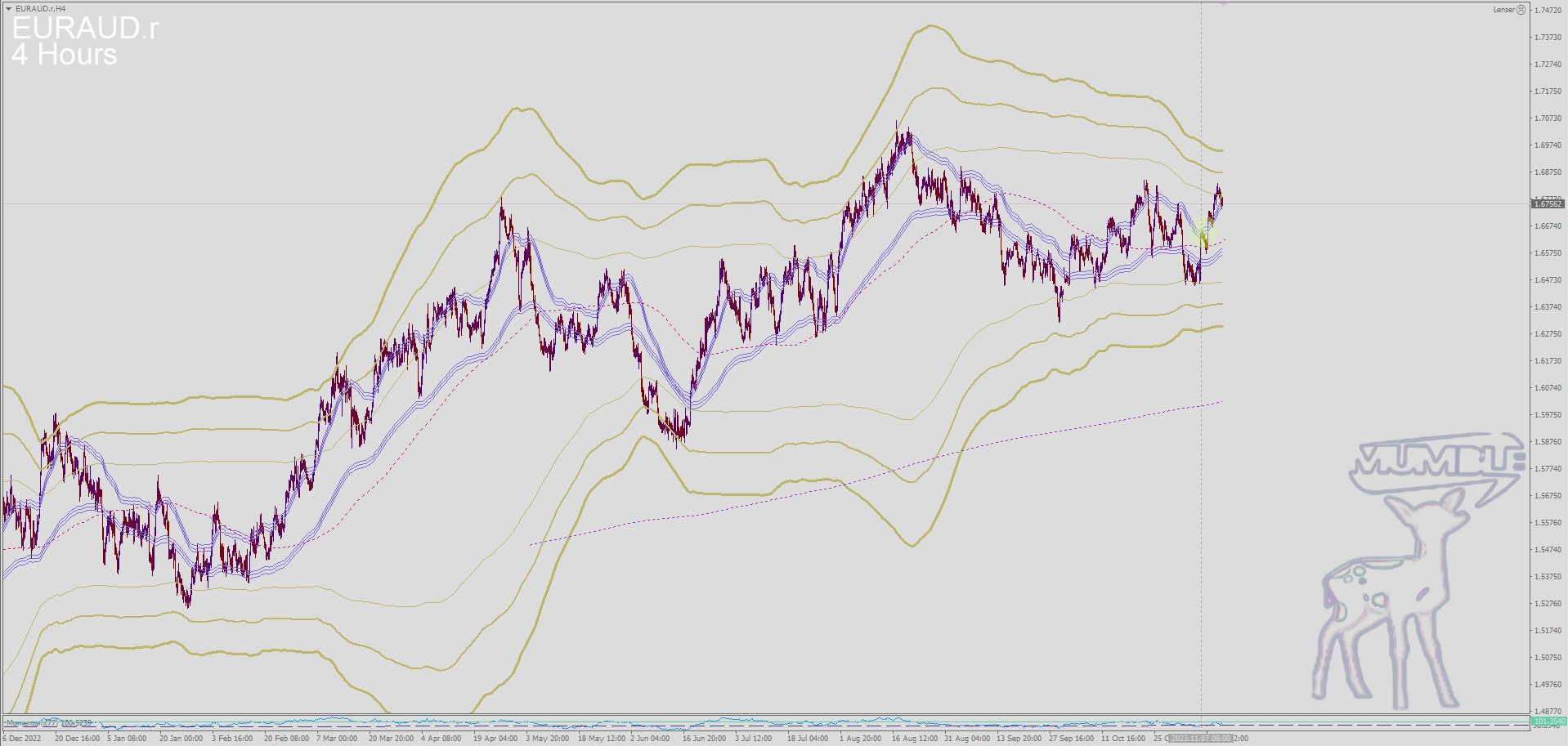
German 2023-11-07, die RBA erhöht ihren Leitzins um 25 Basispunkte auf 4.35%.


Der neue Governor Michele Bullock mit einer Leitzinserhöhung ohne Pressekonferenz. In Ihrem Statement lesen wir „[…] globally, there remains a high level of uncertainty around the outlook for the Chinese economy and the implications of the conflicts abroad.“.
Damit sind natürlich der Krieg Russlands in der Ukraine sowie der Vergeltungsschlag Israels im Nahen Osten gemeint.
Der Markt zeigte keine nennenswerte Reaktion auf diese Erhöhung, es sieht vielmehr danach aus, dass die 25 australischen Basispunkte bereits voll eingepreist waren.

J (Jerome Powell) wurde in zwei seiner kürzlich gegebenen öffentlichen Reden von (Umwelt-) Aktivisten unterbrochen. Am Dienstag des 19. Oktobers bei einer Rede zum 730sten EconClubNY und am 09. November bei einer Konferenz des IMF. Hier waren zudem folgende Top-Ökonomen und Zentralbanker zugegen: Gita Gopinath (stellvertretenbde Geschäftsführerin IMF), Ken Rogoff (Professor für Ökonomie, Havard), Amir Yaron (1. Vorsitzender der Zentralbank Israel) und Pierre-Olivier Gourincha (Chefökonom IMF).
Lustigerweise hat Powell das f** Wort in den Mund genommen. „just close the f*** door“ waren seine tiefsinnigen Anmerkungen. J hat seine Rede dennoch zu Ende geführt.
Warum demonstrieren diese ungehobelten Wichtigtuer nicht erst einmal ökonomische Grundkenntnisse? Wer ins Rampenlicht will, nutzt einfach die Umweltmasche, Idiotensicher.
An dieser Stelle sei gesagt, alle Argumente dieser Armleuchten liegen nicht erst seit gestern auf dem Tisch. Keinen Umweltaktivisten schert es, wenn ihre Bitcoins CO2 Schleudern sind, oder ihre Pflänzchen im Wettstreit um den Phosphordünger der Dritten Welt steht.
Keine Technologie, von Solarpanels bis E-Mobilität sind Teil einer Lösung des Treibhaus-Problems. Ein einzig nachhaltiger Paradigmenwechsel fängt auf dem Teller an, und dazu eignet sich meiner Auffassung nach, der (sozial verträgliche) Kapitalismus am besten.
Einen Raubtierkapitalismus á la U.S.A. können wir Europäer am ehesten bändigen. Niemand aber kann sicher wissen, ob eine Demokratie mit Gewaltenteilung und ohne Second Amendment am Ende überleben wird.
Eine Demokratie muss hin und wieder verschiedene Masken tragen, um dem Feind überlegen zu bleiben. Nur eines darf diese Gesellschaftsordnung nicht, da bleiben wir beim Nenner, dem Mittelalter einen Weg ebnen.

Weitere Details und einen Ausblick auf den FX Exchange wie immer für Premium-Mitglieder.

LG Ben

Goody Traders
English 2023-11-07, the RBA increases its key interest rate by 25 basis points to 4.35%.


The new governor Michele Bullock with a key interest rate increase without a press conference. In her statement we read „[…] globally, there remains a high level of uncertainty around the outlook for the Chinese economy and the implications of the conflicts abroad.“
This of course refers to Russia’s war in Ukraine and Israel’s retaliatory strike in the Middle East.
The market showed no significant reaction to this increase, in fact it appears that the 25 Australian basis points were already fully priced in.

J (Jerome Powell) was interrupted by (environmental) activists in two of his recent public speeches. On Tuesday, October 19th at a speech at the 730th EconClubNY and on November 9th at an IMF conference. The following top economists and central bankers were also present, namely: Gita Gopinath (Deputy Managing Director IMF), Ken Rogoff (Professor of Economics, Havard), Amir Yaron (1st Chairman of the Central Bank of Israel) and Pierre-Olivier Gourincha (Chief Economist IMF).
Funnily enough, Powell used the f** word. “just close the f*** door” were his profound comments. But with no suprise, brave and honorable J finished his speech with dignity.
Why don’t these uncouth busybodies first demonstrate basic economic knowledge? If you want to be in the spotlight, simply use the environmental scheme, idiot-proof.
At this point it should be said that all the arguments of these dushbags have not just been on the table since yesterday. No environmental activist cares if their Bitcoins are CO2 slingers, or if their Cannabis-farms are in competition with the third world’s phosphorus fertilizer.
No technology, from solar panels to e-mobility, is part of a solution to the greenhouse problem. The only sustainable paradigm shift starts on the plate, and in my opinion socially acceptable capitalism (yes to the ‚burgergeld‘ experiment! it’s the opposite to fiefdom and feudal system) is best suited to pave way for this goal.
The Europeans are best placed to tame predatory capitalism like in the USA. But no one can know for sure whether a democracy with separation of powers (legislative, judicial, executive) and without Second Amendment will survive in the end.
A democracy must put on different masks every now and then in order to remain superior to the enemy.

More details and my outlook on the FX Exchange as always for Premium Members.

Sincerely Yours, Ben&Nic

EURAUD H4-Chart
EURAUD H4-Chart

Externe Quellen/Links

URL-Link Beschreibung
tradingeconomics.com – Australia Interest Rate
rba.gov.au – Statement by Michele Bullock Monetary Policy Decision

Central Alpha Alpha

Central Alpha Alpha

2023-09-22 19:56:31 GMT+2

Guten Abend

German 2023-09-14, die ECB erhöht ihren Leitzins um 25 Basispunkte auf 4.50%.
2023-09-20, die FED behält ihren Leitzins mit 5.50% gleichbleibend.
2023-09-20, die Zentralbank Brasiliens (BCB) senkt ihren Leitzins um 50 Basispunkte auf 12.75%.
2023-09-21, die Zentralbank Indonesiens (BI) behält ihren Leitzins mit 5.75% gleichbleibend.
2023-09-21, die SNB behält ihren Leitzins mit 1.75% gleichbleibend.
2023-09-21, die Zentralbank der Türkei (TCMB) erhöht ihren Leitzins um 500 Basispunkte auf 30.00%.
2023-09-21, die BoE behält ihren Leitzins mit 5.25% gleichbleibend.
2023-09-22, die BoJ behält ihren Leitzins mit minus (-)0.10% gleichbleibend.

Die brasilianische Zentralbank ist die erste, welche bereits angefangen hat, ihren Leitzins wieder zu senken. In Brasilien scheint die Inflation stetig zu sinken (aktuell CPI 6.1% vs peak 8.6% Q42022), daher ist man bereits seit Q32023 bereit mit Leitzinssenkungen die „neutral rate plus inflation target“ anzusteuern.

In der Türkei macht die Trendumkehr in der Inflations-Statistik Sorge. Nach dem CPI Peak Q42022 bei 70% (y/y) steht das Land mit Q32023 wieder bei 65% (y/y). Der Grund hierfür könnte auf eine alamierende Situation hinweisen. Nachdem mit dem Fall der Lira am FX die Börse in Istanbul, negativ zur Währung korreliert, auf Allzeithochs klettern konnte, scheint den Währungshütern die Puste aus zu gehen. Unermüdlich versucht die türkische Zentralbank sich gegen eine weitere Abwertung der Lira am FX zur Wehr zu setzen. Lira-Konten welche Währungs-Schwankungs gesichert angeboten werden, fangen almählich an, teuer zu werden. Mit sinkenden FX-Reserven werden Importe teurer, anfallende Mehrkosten werden in der Folge an den Konsumenten weitergegeben. Die Türkei muss schnell ihre Lira am FX konsolidieren, nur so wird es von nun an gelingen können, diese zweite, neuerliche Inflationsspirale aufzuhalten. Die Ursachen der türkische Inflation bewegen sich momentan von externen Faktoren weg, hin zu internen Faktoren, wie der FX-Schwäche der Lira. Andere Ökonomien profitieren bereits von einer Normalisierung der Supply-Chain-Disruptions, ausgelöst durch den Krieg der Russen in der Ukraine. Die Türkei muss Acht geben, nicht den Anschluss an den Weltmarkt zu verlieren. Erstes Mittel der Wahl -> Leitzinsen anheben, auch überraschend, bis sich ein Boden ausbildet. Dabei müssen die Unternehmen Garantien in Form eines Schutzschirm-Verfahrens erhalten, um einem hard-landing des Binnenmarktes zuvor zu kommen.

Die Schweiz hat heute eine neue Position in der globalen Finanzwirtschaft. Das Team der SNB musste nicht allein die Abwicklung der Credit Suisse über den Steuerzahler hinweg, unter Zuhilfenahme der UBS meistern; mehr noch wiegt die Navigation des schweizer Franken in einer einzigartigen Weltökonomie-Konstellation. Die Safe-Heaven Währung absorbierte als einzigste kumulativ jedes Risiko für Investoren und Kapitalmarkt-Spekulanten. Seit der Weltfinanzkrise, reihen sich EU-Bankenkrise, negative Leitzins-Ära, Bitcoin-Hype, Brexit, Trump vs Powell (Dove vs Hawk), Nordkorea-Krise, Zoll-Krieg, bis hin zum Ölpreis-Schock und dem aktuellen Geschehen rund um Covid-19 Bekämpfung und Supply-Chain-Shock (Ukraine/Russland Krieg). Darunter die Aufblähung der Geldmenge (Balance Sheet Expansion ), bis zur heutigen Abkühlung der Wirtschaftsleistung großer und bedeutender Ökonomien (China, Deutschland). Inverte Yield-Kurven zeugen von einem beispiellosen Gemenge von Risiken und Chancen. Chance hier: Special Purpose Acquisition Company (SPACs), um die Konkurrenz aus zu pokern, versus, der erhöhten Wahrscheinlichkeit einer Börsen-Korrektur (risk-off momentum), respektive einer Rezession (hard landing).
Die japanische Zentralbank (BoJ, Vorsitzender Ueda) muss ihre Yield-Curve-Control (YCC) häppchenweise zurücknehmen, da der Gegenwind größer wird. Fällt aber auch die japanische Yield-Kurve in den konvexen Bereich, so sind alle maßgeblichen Ökonomie mit einer Yield-Kurve gestraft, welche der Statistik nach zu einer Rezession führt. Darauf läuft es hinaus, man möchte die Nachfrage, also die Konsumbereitschaft dämpfen, um in den gewünschten Inflationswert-Bereich (zumeist 2%) zu gelangen. Es genügt nicht mehr einfach abzuwarten (transistory inflation hypothesis) bis der Supply sich wieder normalisiert hat, plus sich eine Geldverknappung in einem stärkeren Exchange (FX) materialisiert.
Kurzum, der sFr. hat alles an Risiko absorbiert, was auf einer Kuhhaut Platz findet, sodann mit dem Ende von negativen Leitzinsen, wir heute die tatsächliche Stärke des Franken beobachten können.
Damit nun aber die Inflation sich wieder beruhigen kann, benötigt es allem voran, eine starke Weltwirtschaft und gesunde, prosperierende Unternehmen. Dies erfordert Umsatz und/oder billiges Geld (nicht gegeben da zu hohe Leitzinsen, straffende Geldpolitik), und/oder Investoren-Gelder (risk-on). Und genau dieses Risiko muss der Franken abermals absorbieren können, denn Gold mit seinem dividendenlosen Allzeithoch ist nicht gerade ein Hingucker.
Die SNB handelt abermals genau richtig im richtigen Moment! Sie stellt sich und ihren Franken mitsamt den Interessen des schweizerischen Exports hinten an. Sinngemäß heißt es aus der Schweiz, wäre man zu Interventionen bereit, um den Franken abzuwerten. Und das ist genau die richtige Aussage, wenn nebst der Zins für den Franken verteuert werden muss (Binnen-Inflation).
Muss vielleicht der GBP beginnen Risiko zu tanken, um den Franken zu entlasten? Der JPY fällt vorerst als Safe-Heaven Währung aus (Ultra-QE), ebenso der US-Dollar (nahe der „emerging markets pain“ Obergrenze), sowie auch das Währungspaar EURGBP (konnte nie über Parity gelangen). So fällt die Restverantwortung vielleicht auf die/den (offshore) Pfund/Franken zurück…

Weitere Details und einen Ausblick auf den FX Exchange wie immer für Premium-Mitglieder.

LG Ben

Goody Traders

English 2023-09-14, the ECB increases its key interest rate by 25 basis points to 4.50%.
2023-09-20, the FED is keeping its key interest rate the same at 5.50%.
2023-09-20, the Central Bank of Brazil (BCB) cuts its key interest rate by 50 basis points to 12.75%.
2023-09-21, the Central Bank of Indonesia (BI) is keeping its key interest rate the same at 5.75%.
2023-09-21, the SNB is keeping its key interest rate the same at 1.75%.
2023-09-21, the Central Bank of Turkey (TCMB) increases its key interest rate by 500 basis points to 30.00%.
2023-09-21, the BoE is keeping its key interest rate the same at 5.25%.
2023-09-22, the BoJ is keeping its key interest rate the same at minus (-)0.10%.

The Brazilian central bank is the first to start lowering its key interest rate. In Brazil, inflation seems to be falling steadily (current CPI 6.1% vs peak 8.6% Q42022), which is why the „neutral rate plus inflation target“ has been targeted with interest rate cuts starting in Q32023.

In Turkey, the trend reversal in inflation back to upward is causing concern. After the CPI peak in Q42022 at 70% (y/y), the country struggeling again with 65% (y/y) in Q32023. The reason for this could indicate an most alarming situation. After the fall of the lira in terms of FX rate, with the stock exchange in Istanbul (negatively correlated to its currency) able to climb to all-time highs, the monetary authorities seem to be running out of midnight oil (don’t ignite the…). The Turkish central bank is constantly trying to defend against further devaluation of their lira in the FX market. Lira accounts, which are offered secure against currency fluctuations, are gradually starting to become expensive. As Turkish FX reserves decline, imports/debt become more and more expensive and these additional costs are subsequently passed on to the consumer. Turkey must quickly consolidate its lira FX rate, this is the only way it will be able to stop this inflationary spiral from now on. Turkish inflation is currently moving away from external factors and towards internal factors such as the lira’s FX weakness. Other economies are already benefiting from a normalization of supply chain disruptions triggered by the Russian war in Ukraine. Turkey must now be careful not to lose grip on int markets.

Switzerland now has a key position in the world’s economy as a whole. The SNB team not only had to master the hang sh* situation of big bank Credit Suisse against the taxpayer (bailout with the help of private bank UBS). The navigation of the Swiss franc in the unique world economic constellation has become even more important. The safe heaven currency was’n’is the only one (note: Uruguayan peso and Norwegian krone showing overvalued signs too) that cumulatively absorbs all the risk for investors and capital market speculators. Since the global financial crisis, there have been EU banking crises, negative key interest rates, Bitcoin hype, Brexit, Trump vs Powell (Dove vs Hawk), North Korea crisis, China/Overseas customs war, right up to the oil price shock (below zero) and current events namely „combat against pandemic effects“ (Covid-19) and „supply chain shock“ (Ukraine/Russia war). These led to inflation due to the increased money supply (balance sheet expansion) and to the slowdown in economic performance of large and important economies (China, Germany). Inverted yield curves reflect an unprecedented mix of risks and opportunities. Opportunity here has been: Special Purpose Acquisition Companies (SPACs) to outplay the competition as well as stock buybacks, materialising in a increased probability of a stock market correction or even a recession (hard landing).
The Japanese central (BoJ, Ueda) have to gradually reduce their Yield Curve Control (YCC) because the headwind is becoming too great. But if the Japanese yield curve also falls into the convex area, then all relevant economies are punished with a yield curve, which, according to statistics, leads to a recession. What it boils down to is that you want to dampen the demand side, i.e. the willingness/ability to consume, in order to get inflation towards the desired range (usually around 2%). It is no longer enough to simply wait (transistory inflation hypothesis) until the supply returns to normal and a money shortage materializes in a stronger exchange (FX) against which currency you whant to pick.
In short, the sFr. has absorbed more the risk that a cow’s skin can fit. With the end of negative key interest rates, we are observing the real strength of the franc.
In order for inflation to calm down again, what is needed above all is a strong global economy and healthy, prosperous companies. This requires chashflow and/or cheap money (below neutral rate) or investor money (risk-on). And it is precisely this risk (exposed stock money) that the franc must be able to absorb again, because gold, with its dividend-free all-time high, is not exactly an eye-catcher.
The SNB is once again acting in exactly the right way at the right moment! It puts itself and its franc, along with the interests of Swiss exporters, behind. Accordingly, it is said from Switzerland that they would be prepared to intervene in order to devalue the franc. And that is exactly the right statement given one must also increase interest rate, in order to fight (domestic) inflation.
Perhaps the GBP needs to start taking on more risk in order to relieve the pressure on the Swiss franc? For the time being, the JPY is no longer considered a safe-heaven currency (ultra Ueda QE or „uUQE“), as is the USD (close to the „emerging markets pain“ upper limits). Last in this equation: EURGBP unable to sustainably reach parity yet (and forever 23). So the remaining responsibility may fall back to the (offshore) pound/franc…

More details and my outlook on the FX Exchange as always for Premium Members.

Sincerely Yours, Ben

GBPCHF__Weekly
GBPCHF Weekly-Chart

Externe Quellen/Links

URL-Link Beschreibung
ECB – Monetary policy decisions 14 September 2023
FED – Federal Reserve issues FOMC statement 20 September 2023
BCB – Press release 20 September 2023
BI – Press release 21 September 2023
tradingeconomics.com – Brazil Core Inflation Rate
SNB – Geldpolitische Lagebeurteilung vom 21. September 2023
SNB – Mediengespräch der Schweizerischen Nationalbank vom 21. September 2023
TCMB – Press Release on Interest Rates 21 September 2023
TCMB – Consumer Price Index (2003=100) (TURKSTAT)
BoE – Monetary Policy Summary 21 September 2023
BoJ – Statement on Monetary Policy 22 September 2023