Long Story, Short

Goody Traders

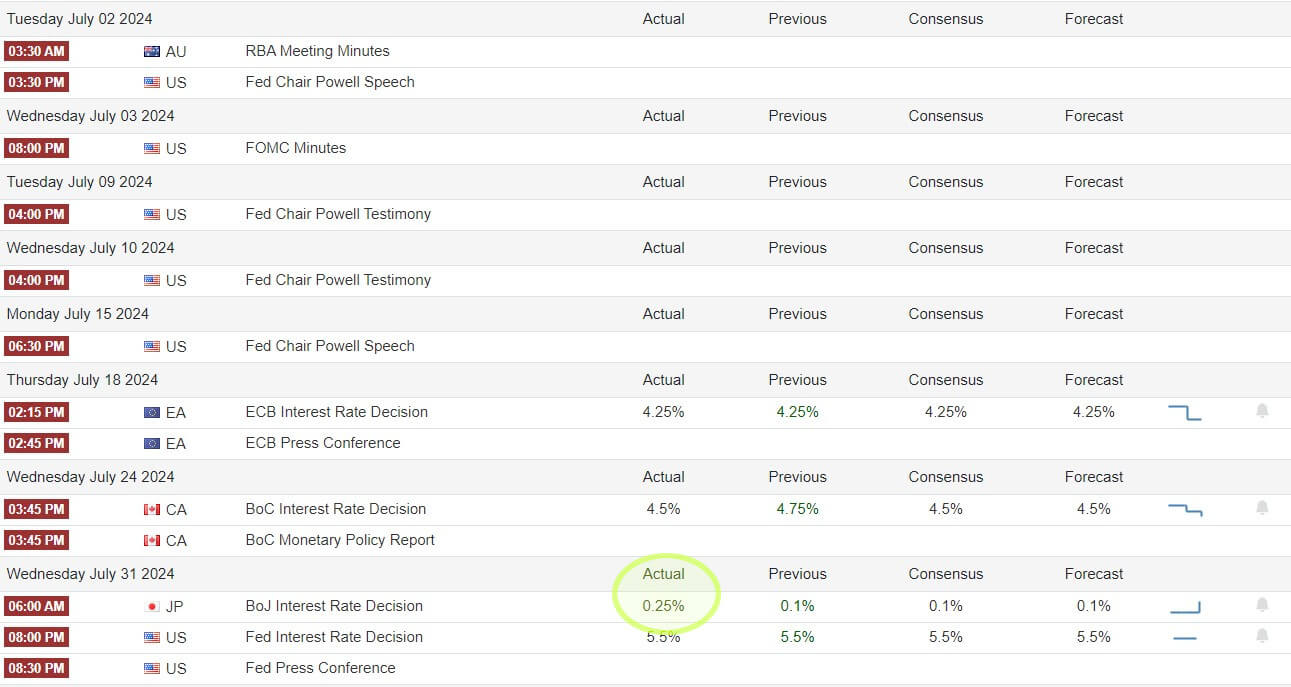
German 18.07.2024, Geldpolitische Entscheidung der EZB (Leitzinssatz: 4,25 % +/- 0,0)
24.07.2024, Geldpolitische Entscheidung der BoC (Leitzinssatz: 4,50 % – 0,25)
31.07.2024, Geldpolitische Entscheidung der BoJ (Leitzinssatz: 0,25 % + 0,15)
31.07.2024, Geldpolitische Entscheidung der FED (Leitzinssatz: 5,50 % +/- 0,0)
01.08.2024, Geldpolitische Entscheidung der BoE (Leitzinssatz: 5,00 % – 0,25)
06.08.2024, Geldpolitische Entscheidung der RBoA (Leitzinssatz: 4,35 % +/- 0,0)
22.08. bis 24.08. Jackson Hole Economic Symposium


1. Geldpolitische Entscheidung der EZB am 18. Juli 2024
Am 18. Juli 2024 entschied sich die Europäische Zentralbank (EZB), ihre Zinssätze unverändert zu lassen, was ihren vorsichtigen Ansatz angesichts der Herausforderungen durch das verlangsamte Wirtschaftswachstum in der Eurozone widerspiegelt. Trotz des anhaltenden Inflationsdrucks wurde die Entscheidung der EZB als ein Gleichgewicht zwischen Inflationskontrolle und Unterstützung der Wirtschaft angesehen. Dieser Schritt verhalf dem Euro zu Stärke, insbesondere gegenüber dem US-Dollar, da die Märkte erwarten, dass die FED in den kommenden Monaten zu vermehrten Zinssenkungen neigen könnte.

2. Zinssenkung der Bank of Canada am 24. Juli 2024
Am 24. Juli 2024 senkte die Bank of Canada (BoC) ihren Leitzins um 25 Basispunkte auf 4,50 %. Diese Entscheidung war durch Bedenken hinsichtlich der Abschwächung der kanadischen Wirtschaft und der negativen Auswirkungen eines starken kanadischen Dollars auf die Exporte motiviert. Die Zinssenkung wurde zwar allgemein erwartet, führte jedoch zu einer kurzen Schwächung des kanadischen Dollars. Die Währung konnte jedoch schnell wieder etwas Boden gutmachen, da der Markt seine Erwartungen hinsichtlich der zukünftigen geldpolitischen Ausrichtung der BoC neu kalibrierte. Das Paar USD/CAD erlebte eine erhöhte Volatilität, da die Händler auf die Zinssenkung und ihre breiteren wirtschaftlichen Auswirkungen reagierten.

3. Zinserhöhung der Bank of Japan am 31. Juli 2024
Die Bank of Japan (BoJ) erhöhte ihren Leitzins am 31. Juli 2024 von 0,10 % auf 0,25 %. Dieser Schritt markierte eine Fortsetzung der allmählichen Abkehr der BoJ von ihrer bisherigen ultralockeren Geldpolitik, die bereits damit begonnen hatte, sich von der negativen Zinsepoche zu verabschieden. Die Entscheidung war auf die steigende inländische Inflation und die Notwendigkeit zurückzuführen, den Yen zu stabilisieren, der deutlich schwächer geworden war. Diese Zinserhöhung wurde weitgehend erwartet, da die jüngsten Wirtschaftsdaten auf eine höhere Inflation hindeuteten. Nach der Ankündigung legte der japanische Yen gegenüber dem US-Dollar deutlich zu, was zu einem starken Rückgang im Exchange USD/JPY führte. Die Entscheidung führte auch zu einer Neubewertung der Carry Trades, was die Marktvolatilität erhöhte.

4. Zinssatzkonstanz der Federal Reserve am 31. Juli 2024
Am 31. Juli 2024 beschloss die Federal Reserve, ihren Leitzinssatz nach einer Reihe von Zinserhöhungen zur Bekämpfung der Inflation, die sich inzwischen bei etwa 2,9 % stabilisiert hat, bei 5,50 % zu belassen. Die Entscheidung, die Zinsen stabil zu halten, wurde allgemein erwartet und spiegelt die vorsichtige Haltung der Fed wider, die jedoch bei Bedarf für künftige Anpassungen offen bleibt. Der US-Dollar schwächte sich nach der Ankündigung weiter ab, da die Spekulationen über mögliche Zinssenkungen in der Zukunft zunahmen. Diese gemäßigte Prognose trug zu einem allgemeinen Rückgang des USD bei, insbesondere gegenüber dem Yen und dem Euro.

5. Zinssenkung der Bank of England am 1. August 2024
Die Bank of England (BoE) senkte ihren Leitzins am 1. August 2024 von 5,25 % auf 5,00 % und begründete dies mit Bedenken hinsichtlich eines verlangsamten Wirtschaftswachstums und eines schwächelnden Arbeitsmarktes. Obwohl die Inflation über dem Zielwert blieb, wurde die Zinssenkung als notwendig erachtet, um die britische Wirtschaft angesichts zunehmender globaler Unsicherheiten zu unterstützen. Das britische Pfund fiel nach der Ankündigung zunächst stark gegenüber dem US-Dollar und dem Euro, konnte jedoch später einige Verluste wieder aufholen, da die Märkte darüber diskutierten, ob diese Senkung ein einmaliges Ereignis sein oder den Beginn eines längeren Lockerungszyklus signalisieren würde. Das GBP/USD-Paar erlebte erhebliche Schwankungen, da die Auswirkungen der Entscheidung der BoE vom Markt verschiedenlich absorbiert wurden.

6. Zinsfestlegung der Reserve Bank of Australia am 6. August 2024
Am 6. August 2024 beschloss die Reserve Bank of Australia (RBA), ihren Leitzins bei 4,35 % zu belassen. Die Entscheidung der RBA spiegelte trotz anhaltender Inflationssorgen einen vorsichtigen Ansatz angesichts gemischter Konjunktursignale wider, insbesondere schwacher Verbraucherausgaben und eines fragilen Immobilienmarkts. Der australische Dollar erlebte nach der Ankündigung nur begrenzte Bewegungen, erholte sich jedoch später aufgrund steigender Rohstoffpreise und einer verbesserten Marktstimmung. Der Exchange AUD/USD blieb relativ stabil, mit kurzen Phasen der Volatilität, während Händler die geldpolitischen Entscheidungen der RBA beurteilten.

Währungspaar Neuster Trend (ab dem 18. July 2024)
USD/JPY Signifikante Abwärtsbewegung, hohe Volatilität
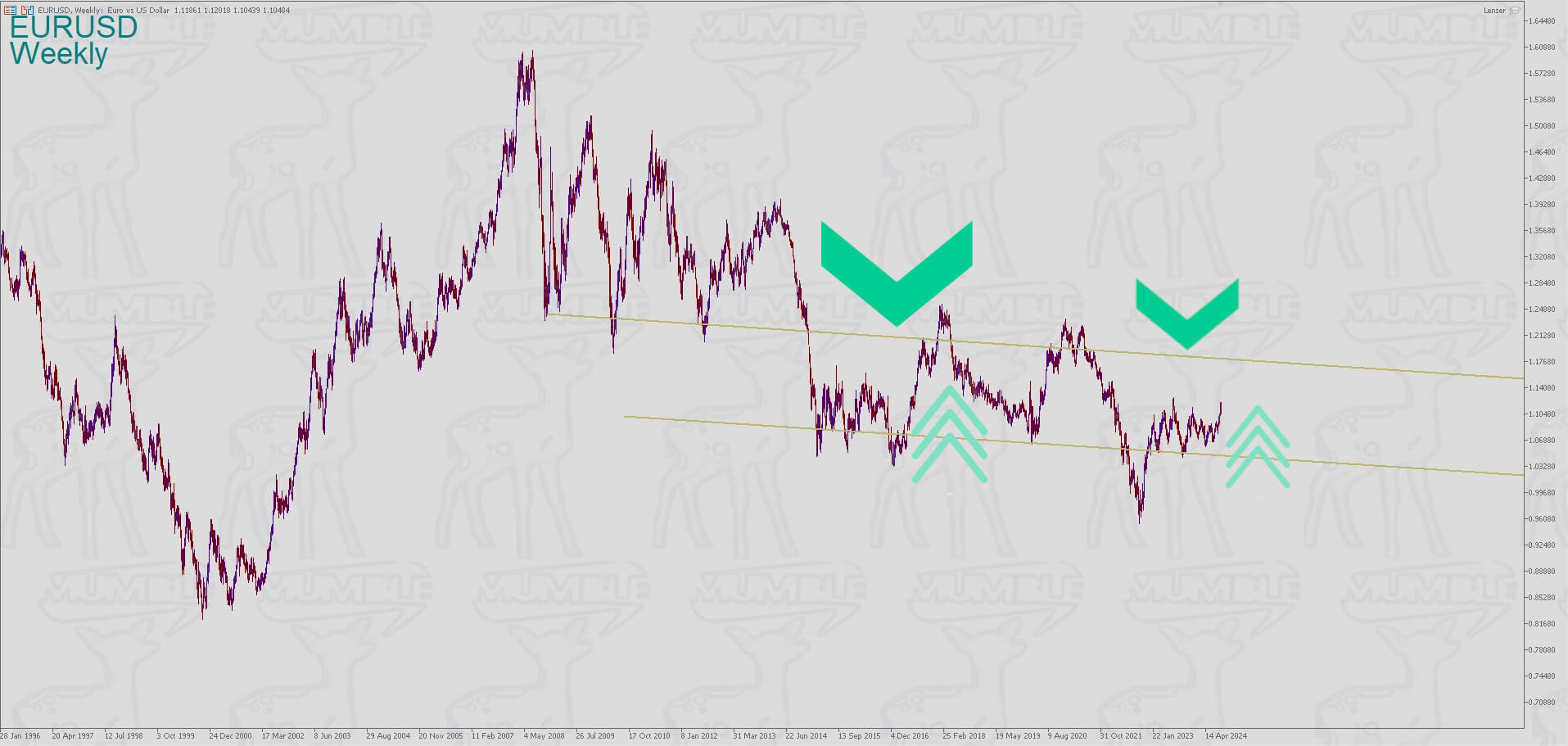
EUR/USD Euro mit Zugewinnen, schwächelder USD
GBP/USD Die Erwartungen wurden übertroffen; allerdings wird von einem rigiden Wachstum ausgegangen
USD/CAD Bullen und Bären gleichauf; warten auf nachlassenden Inflationdruck
AUD/USD An den Inflationserwartungen ausgerichtete Kursbewegungen


World Economic Forum @Jackson Hole, Wyoming
Der Vorsitzende der US-Notenbank, Jerome Powell, erklärte in seiner mit Spannung erwarteten Rede, dass BoTg-b4die Zeit für eine Anpassung der Geldpolitik gekommen ist, was auf ein wachsendes Vertrauen in die Entwicklung der Inflation schließen lässt. Dieser gemäßigte Kurswechsel des Fed-Vorsitzenden wurde von anderen großen Zentralbanken wie der Bank of England und der Europäischen Zentralbank wiederholt.
Während der genaue Zeitpunkt und das Tempo künftiger Zinsanpassungen von den kommenden Wirtschaftsdaten abhängen, besteht unter den politischen Entscheidungsträgern Einigkeit darüber, dass eine schrittweise Lockerung der Geldpolitik jetzt angebracht ist. Dieser Kurswechsel dürfte das Wirtschaftswachstum ankurbeln und den Druck auf Unternehmen und Verbraucher etwas verringern.

Weitere Details und einen Ausblick auf den FX Exchange wie immer für Premium-Mitglieder.


LG Ben&Deniz

Shabbat Shalom
English 07/18/2024, Monetary Policy Decision of the ECB (Key Interest Rate: 4.25% +/- 0.0)
07/24/2024, Monetary Policy Decision of the BoC (Key Interest Rate: 4.50% – 0.25)
07/31/2024, Monetary Policy Decision of the BoJ (Key Interest Rate: 0.25% + 0.15)
07/31/2024, Monetary Policy Decision of the FED (Key Interest Rate: 5.50% +/- 0.0)
08/01/2024, Monetary Policy Decision of the BoE (Key Interest Rate: 5.00% – 0.25)
08/06/2024, Monetary Policy Decision of the RBoA (Key Interest Rate: 4.35% +/- 0.0)
08/22nd to 08/24th Jackson Hole Economic Symposium


1. ECB Monetary Policy Decision on 18 July 2024
On 18 July 2024, the European Central Bank (ECB) opted to keep its interest rates unchanged, reflecting its cautious approach amid the challenges posed by slowing economic growth in the Eurozone. Despite persistent inflationary pressures, the ECB’s decision was seen as a balance between controlling inflation and supporting the economy. This move helped the Euro gain strength, particularly against the US Dollar, as markets anticipated that the FED might lean towards a more dovish stance in the coming months.

2. Bank of Canada Rate Cut on 24 July 2024
On 24 July 2024, the Bank of Canada (BoC) reduced its key interest rate by 25 basis points to 4.50%. This decision was motivated by concerns about the Canadian economy’s slowdown and the negative impact of a strong Canadian Dollar on exports. The rate cut, while widely anticipated, resulted in a brief weakening of the Canadian Dollar. However, the currency quickly regained some ground as the market recalibrated its expectations for the BoC’s future monetary policy direction. The USD/CAD pair experienced heightened volatility as traders responded to the rate cut and its broader economic implications.

3. Bank of Japan’s Rate Hike on 31 July 2024
The Bank of Japan (BoJ) increased its benchmark interest rate from 0.10% to 0.25% on 31 July 2024. This move marked a continuation of the BoJ’s gradual shift away from its previous ultra-loose monetary policy, which had already begun with earlier rate hikes moving out of negative territory. The decision was driven by rising domestic inflation and the need to stabilize the Yen, which had been weakening significantly. This rate hike was largely anticipated, given the recent economic data pointing to higher inflation. Following the announcement, the Japanese Yen strengthened considerably against the US Dollar, causing the USD/JPY pair to decline sharply. The decision also led to a reevaluation of carry trades, increasing market volatility.

4. Federal Reserve’s Rate Hold on 31 July 2024
On 31 July 2024, the Federal Reserve decided to maintain its key interest rate at 5.50%, following a series of rate hikes aimed at combating inflation, which has now stabilized around 2.9%. The decision to hold rates steady was widely expected, reflecting the Fed’s cautious stance while remaining open to future adjustments if necessary. The US Dollar continued to weaken after the announcement, as speculation grew over potential rate cuts in the future. This dovish outlook contributed to a broad decline in the USD, particularly against the Yen and the Euro.

5. Bank of England’s Rate Cut on 1 August 2024
The Bank of England (BoE) cut its benchmark interest rate from 5.25% to 5.00% on 1 August 2024, citing concerns about slowing economic growth and a softening labor market. Despite inflation remaining above target, the rate cut was deemed necessary to support the UK economy amid rising global uncertainties. The British Pound initially fell sharply against the US Dollar and the Euro following the announcement but later recovered some losses as markets debated whether this cut would be a one-off event or signal the beginning of a more prolonged easing cycle. The GBP/USD pair experienced significant fluctuations as the implications of the BoE’s decision were absorbed by the market.

6. Reserve Bank of Australia’s Rate Hold on 6 August 2024
On 6 August 2024, the Reserve Bank of Australia (RBA) decided to keep its cash rate at 4.35%. The RBA’s decision reflected a cautious approach amid mixed economic signals, particularly weak consumer spending and a fragile housing market, despite ongoing inflation concerns. The Australian Dollar saw limited immediate movement following the announcement, but it later strengthened due to rising commodity prices and improved market sentiment. The AUD/USD pair remained relatively stable, with brief periods of volatility as traders assessed the RBA’s policy outlook.

Currency Pair Latest Trends (Post-18 July 2024)
USD/JPY Significant decline, high volatility
EUR/USD Strengthened Euro, weak USD
GBP/USD Exceeded expectations; underlying surveys suggest slower economic momentum
USD/CAD Remains restrictive until inflation risks diminish; MPC monitoring closely
AUD/USD Prepared to adjust policy based on upcoming economic data and forecasts


World Economic Forum @Jackson Hole, Wyoming
Federal Reserve Chair Jerome Powell, in his highly anticipated speech, declared that BoTg-b4the time has come for policy to adjust, indicating a growing confidence in the trajectory of inflation. This dovish pivot from the Fed chair was echoed by other major central banks, such as the Bank of England and the European Central Bank.
While the exact timing and pace of future rate adjustments will depend on incoming economic data, the consensus among policymakers is that a gradual easing of monetary policy is now appropriate. This shift is expected to provide a boost to economic growth and alleviate some of the pressures on businesses and consumers.

More details and my outlook on the FX Exchange as always for Premium Members.

Sincerely Yours, Ben&Deniz

Economic Calendar July
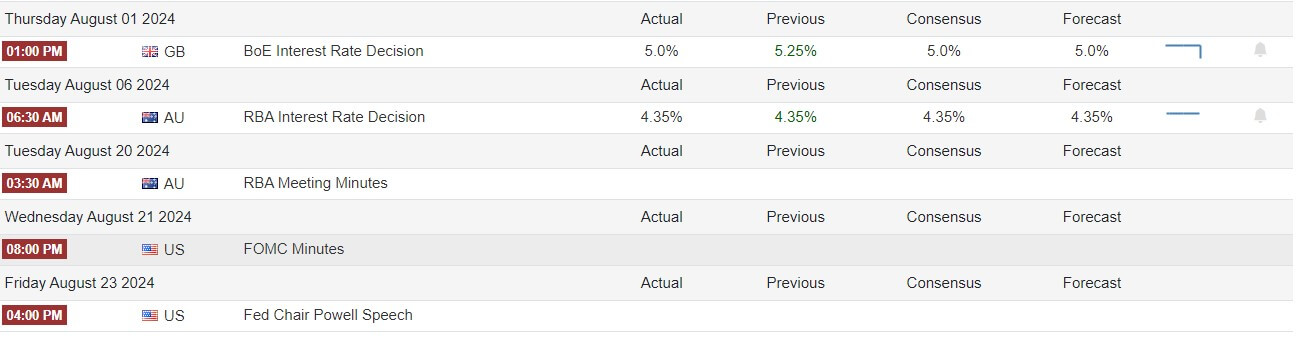
Economic Calendar August
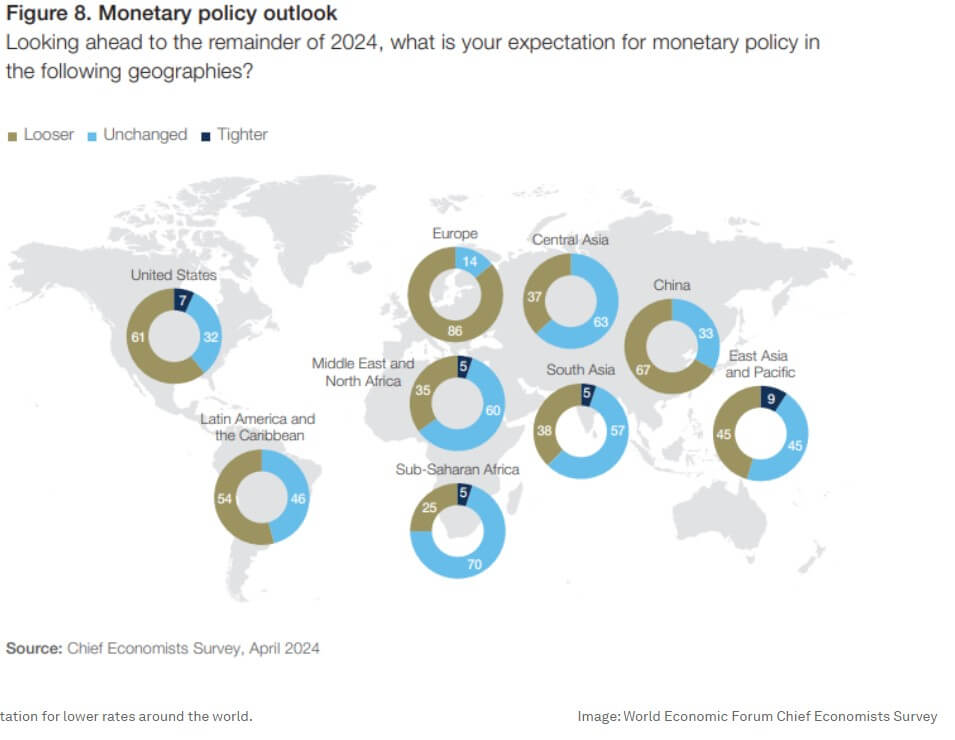
WEF Rates Outlook
World Economic Forum Rates Outlook
EURUSD Weekly Chart
EURUSD Weekly Chart
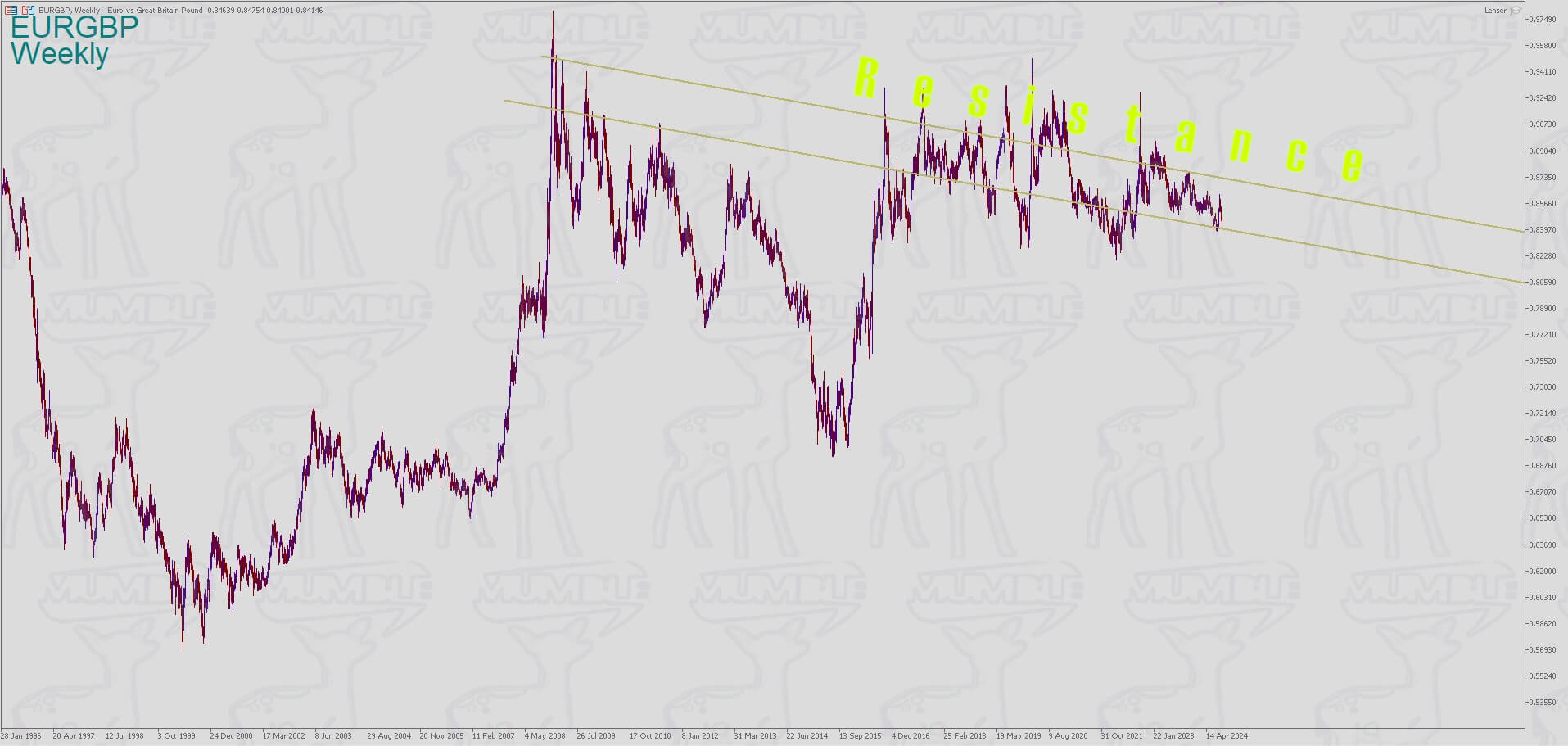
EURGBP Weekly Chart
EURGBP Weekly Chart
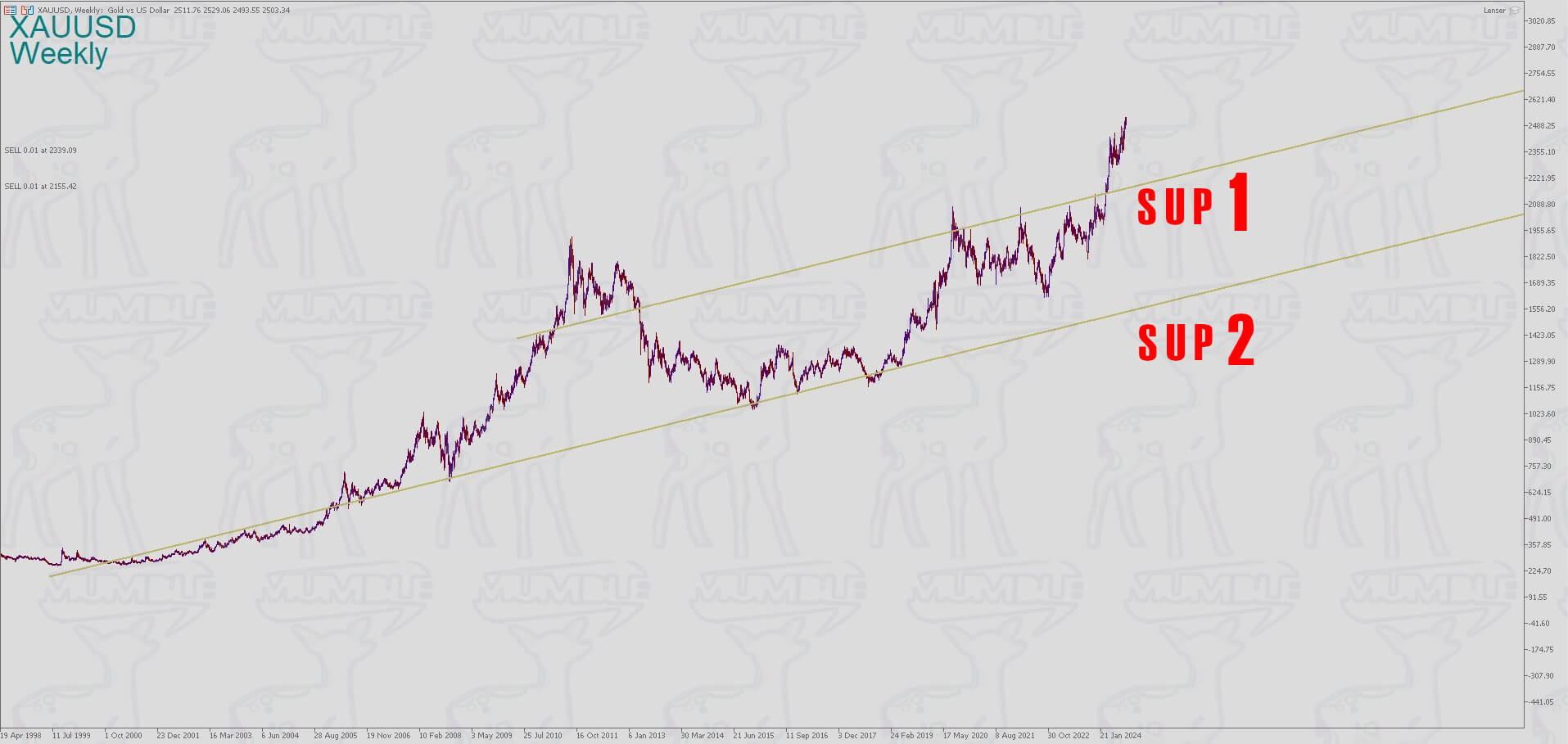
Gold Weekly Chart
Gold Weekly Chart
ECB Governing Council Press Conference – 18 July 2024
BoC Monetary Policy Report in brief – 24 July 2024
Bank of Canada Press Conference – 24 July 2024
FOMC Press Conference July 31, 2024
Bank of England Press Conference, August 01 2024
Reserve Bank of Australia Monetary Policy Decision – 06 August 2024
Fed Rate Cuts Confirmed at Jackson Hole
Broadcasted by: ClearValue Tax

Externe Quellen/Links
URL-Link Beschreibung
ecb.europa.eu – Combined decisions and statement July 18, 2024 (PDF)
bankofcanada.ca – Press Conference Opening Statement July 24, 2024
bankofcanada.ca – Monetary Policy Report July 24, 2024 (PDF)
NHK WORLD JAPAN NEWS – Bank of Japan hikes rates for 2nd time this year July 31, 2024
boj.or.jp – Decisions at the July 2024 Monetary Policy Meeting (PDF)
boj.or.jp – Outlook for Economic Activity and Prices July 2024 (PDF)
federalreserve.gov – Federal Reserve issues FOMC statement July 31, 2024 (PDF)
federalreserve.gov – Transcript of Chair Powell’s Press Conference July 31, 2024 (PDF)
bankofengland.co.uk – Monetary Policy Summary, August 01 2024 (PDF)
bankofengland.co.uk – Monetary Policy Report, August 2024 (PDF)
rba.gov.au – Monetary Policy Decision 06 August, 2024
rba.gov.au – Statement on Monetary Policy 06 August, 2024 (PDF)
weforum.org – „The time has come for policy to adjust.“

Europe: Boom or Flop?

Europe: Boom or Flop?

2024-06-09 15:00:39 UTC+1

Guten Tag

German 05.06.2024, Geldpolitischer Beschluss der BoC (Leitzinssatz: 4.75% -0.25).
06.06.2024, Geldpolitischer Beschluss der EZB (Leitzinssatz: 4.25% -0.25).


Die Bank of Canada hat ihr Ziel für den Übernachtzins auf 4,75 % gesenkt, wobei der Bankzinssatz bei 5 % und der Einlagenzinssatz bei 4,75 % liegt. Die Bank setzt ihre Politik der Bilanznormalisierung fort.

Schlüsseldaten Wert
Übernachtzins Gesenkt auf 4,75%
Bankzinssatz 5%
Einlagenzinssatz 4,75%
Wachstum der Weltwirtschaft (Q1 2024) ~3%
US-Wirtschaftswachstum Langsamer als erwartet
Aktivität im Euroraum Gestiegen im Q1 2024
Stärke der chinesischen Wirtschaft Getrieben durch Exporte und industrielle Produktion
Kanadas BIP-Wachstum (Q1 2024) 1,7%
Konsumwachstum in Kanada ~3%
VPI-Inflation (April) Gesunken auf 2,7%

Die Weltwirtschaft wuchs im ersten Quartal 2024 um etwa 3 %, was weitgehend der Projektion im April-Monetary Policy Report (MPR) der Bank entspricht. Die US-Wirtschaft wuchs langsamer als erwartet aufgrund schwacher Exporte und Lagerbestände, während das Wachstum der privaten Inlandsnachfrage nachließ. Die Aktivität im Euroraum nahm zu, und Chinas Wirtschaft war stärker, getrieben durch Exporte und industrielle Produktion, obwohl die Inlandsnachfrage schwach blieb. Die Inflation in den meisten fortgeschrittenen Volkswirtschaften nimmt ab, wobei die Ölpreise und die Finanzbedingungen den MPR-Annahmen nahekommen.

In Kanada nahm das Wirtschaftswachstum im ersten Quartal 2024 um 1,7 % wieder zu, langsamer als prognostiziert, aufgrund schwächerer Lagerinvestitionen. Das Konsumwachstum lag bei etwa 3 %, und sowohl die Unternehmensinvestitionen als auch die Wohnungsaktivität nahmen zu. Der Arbeitsmarkt zeigte ein langsameres Beschäftigungswachstum im Vergleich zur erwerbsfähigen Bevölkerung, und der Lohndruck nimmt allmählich ab. Die VPI-Inflation sank im April auf 2,7 %, und die bevorzugten Kerninflationsmaße der Bank gingen ebenfalls zurück. Die Entscheidung des Zentralbankvorstandes, den Leitzins um 25 Basispunkte zu senken, spiegelt ein erhöhtes Vertrauen wider, dass die Inflation auf das Ziel von 2 % zusteuern wird, obwohl Risiken bestehen. Der Vorstand überwacht weiterhin die Kerninflation, das Gleichgewicht zwischen Angebot und Nachfrage, die Inflationserwartungen, das Lohnwachstum und das Preissetzungsverhalten der Unternehmen.

Der EZB-Rat beschloss am 6. Juni, die drei Leitzinsen der EZB um 25 Basispunkte zu senken. Diese Entscheidung folgt einer aktualisierten Einschätzung der Inflationsaussichten, der Dynamik der zugrunde liegenden Inflation und der Effektivität der geldpolitischen Transmission. Seit der Sitzung des EZB-Rats im September 2023 ist die Inflation um mehr als 2,5 Prozentpunkte gesunken, und die Inflationsaussichten haben sich deutlich verbessert. Die zugrunde liegende Inflation hat nachgelassen, und die Inflationserwartungen sind über alle Horizonte hinweg gesunken. Die restriktive Geldpolitik hat erheblich zur Senkung der Inflation beigetragen, indem sie die Nachfrage gedämpft und die Erwartungen reduziert hat.

Schlüsseldaten Wert
EZB-Zinssätze Um 25 Basispunkte gesenkt
Hauptrefinanzierungsgeschäfte 4,25%
Spitzenrefinanzierungsfazilität 4,50%
Einlagefazilität 3,75%
Inflationsprognosen:
Gesamtinflation 2,5 % (2024), 2,2 % (2025), 1,9 % (2026)
Kerninflation (ohne Energie und Lebensmittel) 2,8 % (2024), 2,2 % (2025), 2,0 % (2026)
Wirtschaftswachstum 0,9 % (2024), 1,4 % (2025), 1,6 % (2026)
PEPP-Reduktionen €7,5 Milliarden pro Monat im zweiten Halbjahr
APP-Portfolio Sinkt vorhersehbar, da Wiederanlagen gestoppt wurden

Trotz der Fortschritte bleibt der heimische Preisdruck aufgrund des erhöhten Lohnwachstums stark, und die Inflation wird wahrscheinlich bis ins nächste Jahr über dem Zielwert bleiben. Die Projektionen des Eurosystems für die Gesamt- und Kerninflation wurden für 2024 und 2025 nach oben revidiert. Die Gesamtinflation wird nun durchschnittlich 2,5 % im Jahr 2024, 2,2 % im Jahr 2025 und 1,9 % im Jahr 2026 betragen. Für die Inflation ohne Energie und Lebensmittel prognostiziert das Eurosystem 2,8 % im Jahr 2024, 2,2 % im Jahr 2025 und 2,0 % im Jahr 2026. Das Wirtschaftswachstum wird voraussichtlich auf 0,9 % im Jahr 2024, 1,4 % im Jahr 2025 und 1,6 % im Jahr 2026 steigen.

Der EZB-Rat ist entschlossen, sicherzustellen, dass die Inflation in einem angemessenen Zeitraum auf das mittelfristige Ziel von 2 % zurückkehrt. Er wird die restriktiven Zinssätze so lange wie nötig beibehalten und dabei datenabhängig und von Sitzung zu Sitzung über das angemessene Niveau und die Dauer der Beschränkung entscheiden. Zinsentscheidungen werden auf der Grundlage der Inflationsaussichten, der wirtschaftlichen und finanziellen Daten, der zugrunde liegenden Inflationsdynamik und der geldpolitischen Transmission getroffen.

Darüber hinaus wird der EZB-Rat die Bestände des Eurosystems an Wertpapieren im Rahmen des Pandemie-Notfallkaufprogramms (PEPP) im zweiten Halbjahr um durchschnittlich 7,5 Milliarden Euro pro Monat reduzieren. Das APP-Portfolio sinkt planmäßig, da das Eurosystem die Hauptfälligkeiten auslaufender Wertpapiere nicht mehr wieder anlegt. Wiederanlagen im Rahmen des PEPP werden bis Ende Juni 2024 fortgesetzt, mit einer Reduktion um 7,5 Milliarden Euro pro Monat im zweiten Halbjahr, und die Wiederanlagen sollen Ende 2024 eingestellt werden. Flexibilität bei den Wiederanlagen von PEPP-Rückzahlungen wird beibehalten, um Risiken für den geldpolitischen Transmissionsmechanismus im Zusammenhang mit der Pandemie zu begegnen.

Weitere Details und einen Ausblick auf den FX Exchange wie immer für Premium-Mitglieder.

LG Ben

Goody Traders

English 06/05/2024, Monetary Policy Decision of the BoC (Key Interest Rate: 4.75% -0.25).
06/06/2024, Monetary Policy Decision of the ECB (Key Interest Rate: 4.25% -0.25).


The Bank of Canada reduced its target for the overnight rate to 4.75%, with the Bank Rate at 5% and the deposit rate at 4.75%. The Bank is continuing its policy of balance sheet normalization.

Key Data Value
Overnight Rate Reduced to 4.75%
Bank Rate 5%
Deposit Rate 4.75%
Global Economy Growth (Q1 2024) ~3%
U.S. Economic Expansion Slower than expected
Euro Area Activity Increased in Q1 2024
China’s Economic Strength Driven by exports and industrial production
Canada GDP Growth (Q1 2024) 1.7%
Consumption Growth in Canada ~3%
CPI Inflation (April) Eased to 2.7%

The global economy grew by about 3% in the first quarter of 2024, broadly in line with the Bank’s April Monetary Policy Report (MPR) projection. The U.S. economy expanded more slowly than expected due to weak exports and inventories, while growth in private domestic demand eased. The euro area saw increased activity, and China’s economy was stronger, driven by exports and industrial production, though domestic demand remained weak. Inflation in most advanced economies is easing, with oil prices and financial conditions close to MPR assumptions.

In Canada, economic growth resumed in the first quarter of 2024 at 1.7%, slower than forecast, due to weaker inventory investment. Consumption growth was about 3%, with increases in business investment and housing activity. The labor market showed slower employment growth relative to the working-age population, and wage pressures are gradually moderating. CPI inflation eased to 2.7% in April, with core inflation measures also slowing. The Governing Council’s decision to reduce the policy interest rate by 25 basis points reflects increased confidence that inflation will move towards the 2% target, though risks remain. The Council continues to monitor core inflation, demand and supply balance, inflation expectations, wage growth, and corporate pricing behavior.

The Governing Council of the ECB decided on June 6th to lower the three key ECB interest rates by 25 basis points. This decision follows an updated assessment of the inflation outlook, underlying inflation dynamics, and the effectiveness of monetary policy transmission. Since September 2023, inflation has decreased by more than 2.5 percentage points, and the inflation outlook has improved markedly. Underlying inflation has eased, and inflation expectations have declined across all horizons. Restrictive monetary policy has significantly contributed to reducing inflation by dampening demand and anchoring expectations.

Key Data Value
ECB Interest Rates Lowered by 25 basis points
Main Refinancing Operations 4.25%
Marginal Lending Facility 4.50%
Deposit Facility 3.75%
Inflation Forecasts:
Headline Inflation 2.5% (2024), 2.2% (2025), 1.9% (2026)
Core Inflation (excluding energy and food) 2.8% (2024), 2.2% (2025), 2.0% (2026)
Economic Growth 0.9% (2024), 1.4% (2025), 1.6% (2026)
PEPP Reductions €7.5 billion per month over the second half of the year
APP Portfolio Declining predictably as reinvestments stop

Despite progress, domestic price pressures remain strong due to elevated wage growth, with inflation likely to stay above target into next year. Eurosystem staff projections have revised up headline and core inflation for 2024 and 2025, with headline inflation expected to average 2.5% in 2024, 2.2% in 2025, and 1.9% in 2026. For inflation excluding energy and food, staff project averages of 2.8% in 2024, 2.2% in 2025, and 2.0% in 2026. Economic growth is forecasted to rise to 0.9% in 2024, 1.4% in 2025, and 1.6% in 2026.

The Governing Council is committed to ensuring inflation returns to its 2% medium-term target. It will maintain restrictive policy rates as necessary, following a data-dependent and meeting-by-meeting approach. Interest rate decisions will be based on assessments of the inflation outlook, economic and financial data, underlying inflation dynamics, and monetary policy transmission.

Additionally, the Governing Council will reduce the Eurosystem’s holdings of securities under the pandemic emergency purchase programme (PEPP) by €7.5 billion per month on average over the second half of the year. The APP portfolio is declining predictably as the Eurosystem no longer reinvests principal payments from maturing securities. Reinvestments under the PEPP will continue until the end of June 2024, with reductions of €7.5 billion per month over the second half of the year, and reinvestments are set to discontinue at the end of 2024. Flexibility in reinvesting redemptions from the PEPP portfolio will be maintained to counter risks to the monetary policy transmission mechanism related to the pandemic.

More details and my outlook on the FX Exchange as always for Premium Members.

Sincerely Yours, Ben

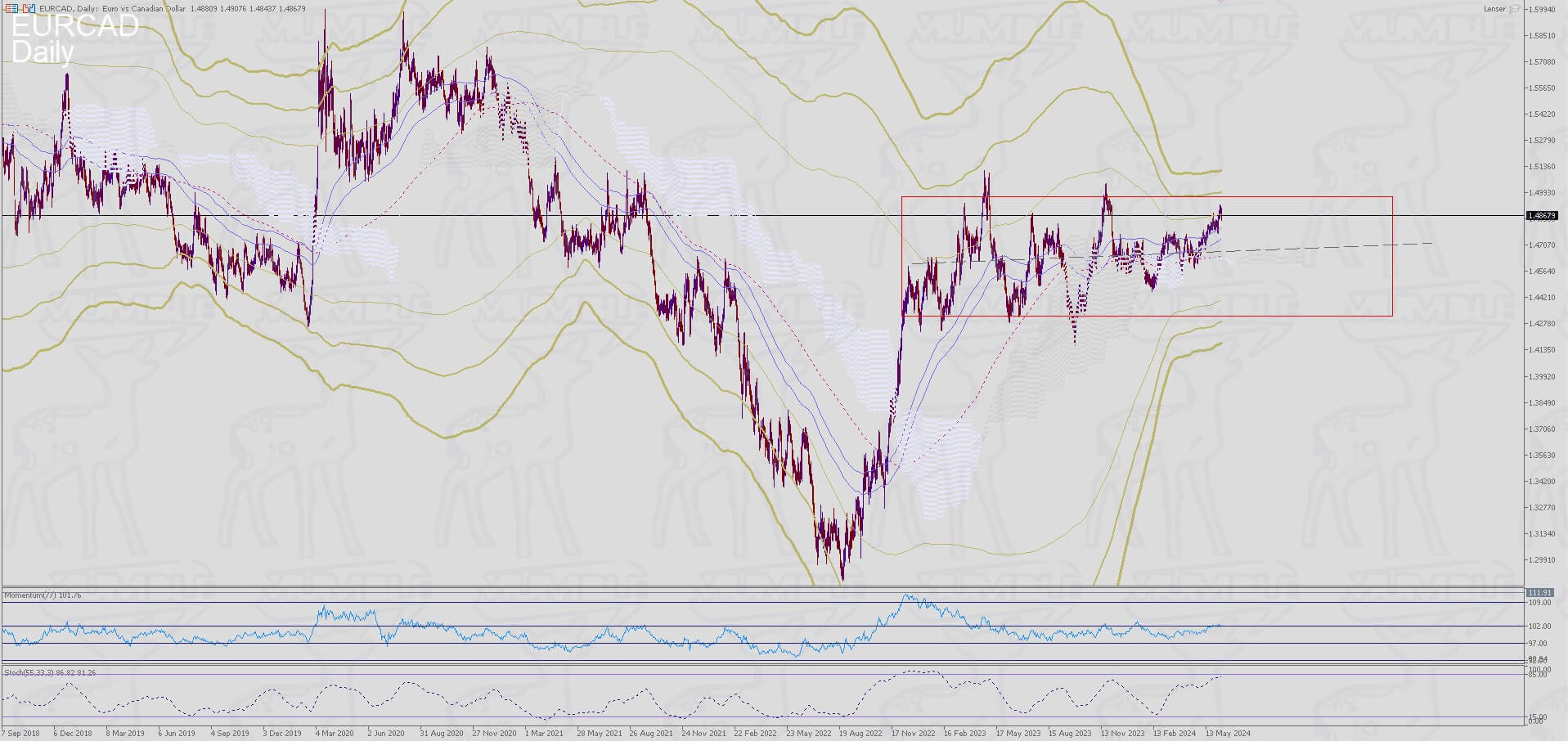
EURCAD Daily Chart
EURCAD Daily-Chart
EURCAD M30 Chart
EURCAD M30-Chart
S&P500 Daily Chart
S&P500 Daily Chart
BoC Press Conference, June 5 2024
Media availability on June 5, 2024 / Point de presse le 5 juin 2024
ECB Governing Council Press Conference – 6 June 2024
Are the EU’s new members REALLY catching up?, 30 May 2024
Into Europe

Externe Quellen/Links

URL-Link Beschreibung
bankofcanada.ca – BoC reduces policy rate by 25 basis points June 05, 2024
bankofcanada.ca – BoC Press Conference Opening Statement June 05, 2024
ecb.europa.eu – ECB monetary policy decisions and statement June 05, 2024 (PDF)
Lukas Spielberger – The politicisation of the European Central Bank February 14, 2022 (PDF)

The sun rises in the East

The sun rises in the East

2024-04-28 13:02:53 UTC+1

Guten Tag

German 05.04.2024, US Arbeitslosenzahlen (März 2024 m/m: 3.8% -0.1%).
05.04.2024, US Lohnentwicklung (Stundenlohn Mittel y/y: 4.1% -0.2%).
09.04.2024, BoJ Vorsitzender Ueda, Erklärung vor dem Finanzausschuss des ‚House of Councilors‘.
10.04.2024, US Konsumenten Preisindex (CPI, s.a.) (1982-1984=100, 312.23 points).
10.04.2024, Geldpolitischer Beschluss der Bank of Canada (Leitzinssatz: 5.00% +/- 0.0).
10.04.2024, US FED Protokoll des Federal Open Market Committee (19.-20. März 2024).
11.04.2024, Geldpolitischer Beschluss der Europäischen Zentralbank (Leitzinssatz: 4.5% +/- 0.0).
16.04.2024, Rede zwischen BoC Tiff Macklem und FED Jerome Powell (Wilson Center’s Washington Forum).
18.04.2024, BoJ Exekutivdirektor SHIMIZU Seiichi, Grundsatzrede (ISDA).
26.04.2024, Geldpolitischer Beschluss der Bank of Japan (Leitzinssatz: 0.10% +/- 0.0).


Halbjährlicher Bericht der Bank von Japan durch den Vorsitzenden UEDA Kazuo am 9. April, 2024:
Der halbjährliche Bericht der Bank von Japan bietet Einblicke in die jüngsten wirtschaftlichen und finanziellen Entwicklungen in Japan und skizziert den Ansatz der Bank in Bezug auf die Geldpolitik. Die japanische Wirtschaft befindet sich auf einem moderaten Erholungspfad, wobei die Unternehmensgewinne und Investitionen im Geschäftsumfeld positiv tendieren. Allerdings gibt es noch einige Schwächen, wie etwa stagnierende Exporte und sporadische Störungen im privaten Konsum. Der Verbraucherpreisindex (CPI) verzeichnet einen jährlichen Anstieg von 2,5 bis 3,0 Prozent, der durch die anhaltenden Effekte früherer Kostensteigerungen getrieben wird. Die Bank erwartet, dass sich die zugrunde liegende CPI-Inflation allmählich dem Preisstabilitätsziel von 2 Prozent bis zum Ende des Haushaltsjahres 2024 annähert. Das Finanzsystem bleibt robust, wobei japanische Finanzinstitute eine starke Kapitalbasis beibehalten. Die Bank hat ihren geldpolitischen Rahmen geändert, wobei der Fokus auf dem kurzfristigen Zinssatz liegt, mit einem Zielbereich von 0 bis 0,1 Prozent. Dies zeigt, dass die bisherige quantitative und qualitative Lockerung (QQE) und die Steuerung der Zinskurve ihren Zweck erfüllt haben. Angesichts des aktuellen wirtschaftlichen Ausblicks plant die Bank, die lockeren Finanzbedingungen für die absehbare Zukunft beizubehalten und ihre Politik bei Bedarf anzupassen, um eine nachhaltige und stabile Preisstabilität zu gewährleisten.

Etwas später, am 18. April hielt der BoJ Exekutivdirektor, SHIMIZU Seiichi, eine Grundsatzrede auf der 38. Jahreshauptversammlung der ‚International Swaps and Derivatives Association‘ (ISDA). Er referierte hier über die LIBOR Reformen. Eine Zusammenfassung soll an dieser Stelle angebracht sein, um die Wichtigkeit dieser Finanzmarkt-Reform zu unterstreichen:
Der Übergang vom LIBOR, dem einst dominierenden Zinsreferenzsatz, ist eine wichtige Initiative zur Verbesserung der Integrität und Robustheit der Finanzmärkte. Nach weit verbreiteten Bedenken hinsichtlich der Glaubwürdigkeit des LIBOR aufgrund von Manipulationsversuchen unternahmen internationale Gremien umfassende Anstrengungen, um alternative Referenzsätze zu identifizieren und die Umstellung zu ermöglichen. 2013 veröffentlichte die International Organization of Securities Commissions (IOSCO) einen Bericht, der die gewünschten Eigenschaften von Zinsreferenzsätzen darlegte und eine glaubwürdige Governance sowie eine transaktionsbasierte Berechnung gegenüber Expertenschätzungen empfahl. Der Financial Stability Board (FSB) folgte mit einem Bericht von 2014, der die Reform bestehender IBORs und die Einführung von risikofreien Zinsen befürwortete und einen Mehrfachansatz empfahl, um Flexibilität für verschiedene Gerichtsbarkeiten und Transaktionstypen zu ermöglichen.
Japans LIBOR-Reform entspricht diesen internationalen Empfehlungen und umfasst die Umstellung auf Referenzsätze wie den Tokyo Overnight Average Rate (TONA), den reformierten Tokyo Interbank Offered Rate (TIBOR) und den Tokyo Term Risk Free Rate (TORF). Diese Veränderung hat erhebliche Auswirkungen auf Zinsswaps, da die meisten bestehenden Verträge nun TONA als Referenz verwenden. Der reibungslose Übergang vom LIBOR, der weitgehend mit der Einstellung der Veröffentlichung des USD-LIBOR im Juni abgeschlossen war, wurde durch die Zusammenarbeit zwischen Finanzinstituten, Marktteilnehmern und nationalen Arbeitsgruppen erleichtert. Diese Gruppen, unterstützt von der Bank of Japan und internationalen Organisationen wie der ISDA, spielten eine entscheidende Rolle bei der Koordinierung der Umstellungsstrategien und der Gewährleistung der Einhaltung der IOSCO-Prinzipien. Trotz des Erfolgs bei der Umstellung vom LIBOR bleiben einige Herausforderungen bestehen, insbesondere die nachhaltige Nutzung alternativer Referenzsätze und die fortlaufende Umstellung vom Euroyen TIBOR, dessen Veröffentlichung am Ende des Jahres eingestellt wird.

Zum 5. April wurde der Abstand zwischen Lohnwachstum und Arbeitslosenzahlen deutlich negativer. Der Wert liegt jetzt bei 1,08, verglichen mit 1,31 im Vorjahr, was eine Verschlechterung des Arbeitsmarktes um 23% bedeutet. Das bedeutet, wenn die Löhne sinken, während die Arbeitslosigkeit steigt, bewegt sich der Arbeitsmarkt in die falsche Richtung.

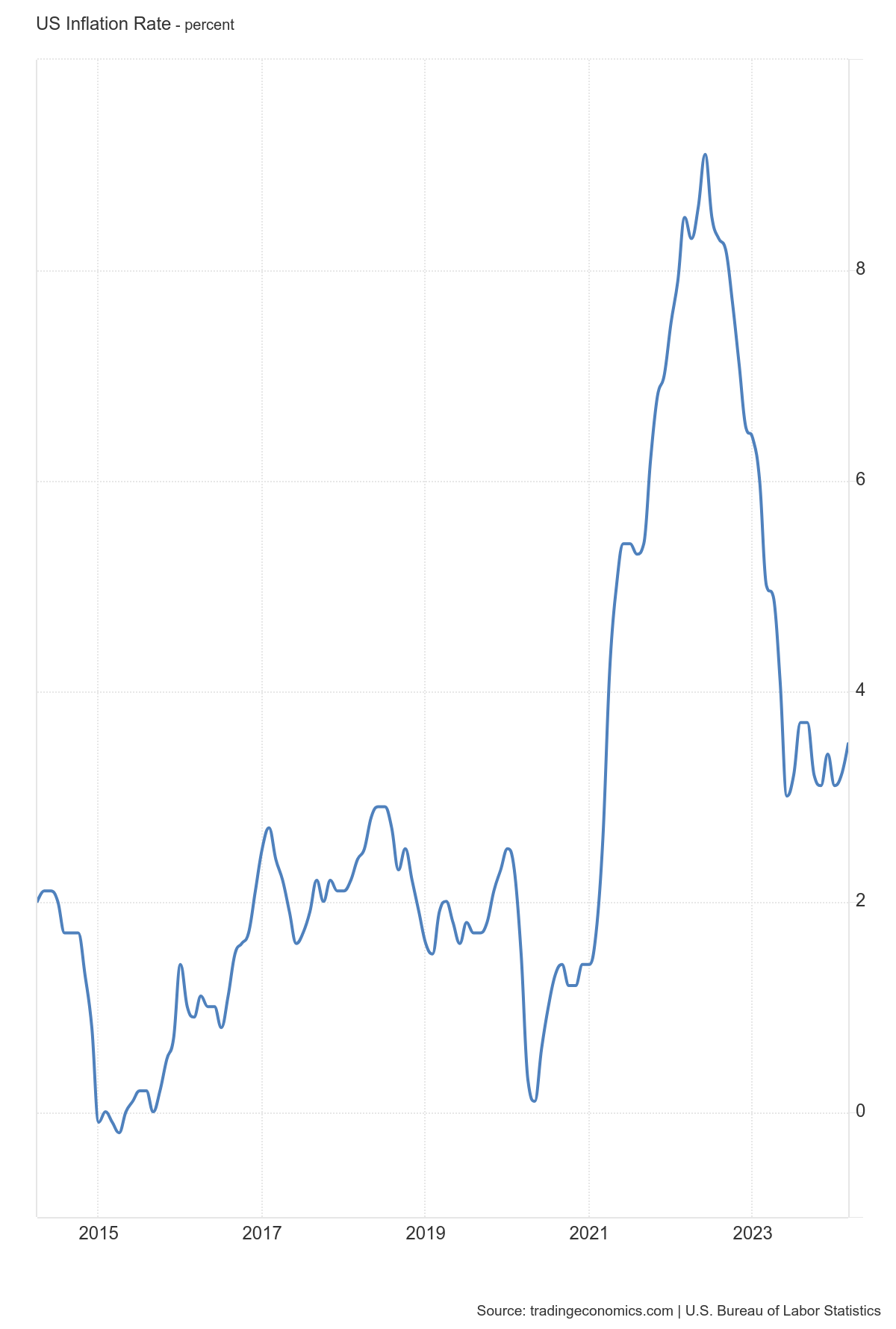
Am 10. April lag die US-Kerninflation, saisonal angepasst, bei 312,23 Punkten. Wenn man das Lohnwachstum mit der Inflation vergleicht, erhält man ein Gefühl dafür, was „reale“ Inflation für die Verbraucher bedeutet. Um zu berechnen, wie sich Ihre Löhne seit 1982-1984 verändert haben, wird diese Periode auf 100 Punkte festgelegt. Wenn Ihr Einkommen damals €17.500 war und es jetzt €35.000 beträgt, würden Sie (100 x 35.000) / 17.500 = 200 rechnen. Vergleicht man Ihr Lohnwachstum mit der Inflation, bedeutet das jedoch, dass Ihr Einkommen in realen Zahlen um 36% gesunken ist.

Die Protokolle der Sitzung des Federal Open Market Committee vom 19.-20. März gaben Aufschluss darüber, warum der Leitzins am 10. April festgelegt wurde. Die Rede des Vorsitzenden der Federal Reserve, Jerome Powell, am Wilson Center am 16. April war besonders interessant, weil erwartet wurde, dass er sich zu den jüngsten US-Kerninflationsdaten äußern würde.

Insgesamt erwartet der Markt nun keine schnelle Zinssenkung mehr, und eine längere Phase hoher Zinssätze scheint wahrscheinlicher zu sein. Zusammen mit der Entscheidung der japanischen Zentralbank, den Leitzins bei 0,1% zu belassen, fiel der Yen am 26. April um -1,72% gegenüber dem US-Dollar auf 158,3.

Auch die Europäische Zentralbank veröffentlichte am 11. April, ihren Leitzins bei 4,5% zu belassen.

Weitere Details und einen Ausblick auf den FX Exchange wie immer für Premium-Mitglieder.

LG Ben

Goody Traders

English 04/05/2024, US unemployment figures (March 2024 m/m: 3.8% -0.1%).
04/05/2024, US wage development (hourly wage average y/y: 4.1% -0.2%).
04/09/2024, BoJ Chairman Ueda, statement to the Finance Committee of the ‚House of Councilors‘.
04/10/2024, US Consumer Price Index (CPI, s.a.) (1982-1984=100, 312.23 points).
04/10/2024, Monetary policy decision of the Bank of Canada (key interest rate: 5.00% +/- 0.0).
04/10/2024, US FED Minutes of the Federal Open Market Committee (March 19-20, 2024).
04/11/2024, Monetary policy decision of the European Central Bank (key interest rate: 4.5% +/- 0.0).
04/16/2024, Speech between BoC Tiff Macklem and FED Jerome Powell (Wilson Center’s Washington Forum).
04/18/2024, BoJ Executive Director SHIMIZU Seiichi, keynote speech (ISDA).
04/26/2024, Monetary policy decision of the Bank of Japan (key interest rate: 0.10% +/- 0.0).

Bank of Japan Semi-Annual Report by Chairman UEDA Kazuo on April 9, 2024:
The Bank of Japan’s semiannual report provides insights into recent economic and financial developments in Japan and outlines the Bank’s monetary policy approach. The Japanese economy is on a moderate recovery path, with corporate profits and business investment trending positively. However, some weaknesses remain, such as flat exports and sporadic disruptions in private consumption. The consumer price index (CPI) has seen a year-on-year increase of 2.5-3.0 percent, driven by the lasting effects of previous cost increases. The Bank anticipates that the underlying CPI inflation will gradually approach the 2 percent price stability target by the end of the fiscal 2024 projection period. The financial system remains robust, with Japanese financial institutions maintaining strong capital bases. The Bank has shifted its monetary policy framework, focusing on the short-term interest rate with a target range of 0 to 0.1 percent, indicating that the previous Quantitative and Qualitative Monetary Easing (QQE) and Yield Curve Control have served their purpose. Given the current economic outlook, the Bank plans to maintain accommodative financial conditions for the foreseeable future, adapting its policy as required to ensure sustainable and stable price stability.

Later, on April 18, BoJ Executive Director, SHIMIZU Seiichi, delivered a keynote address at the 38th Annual General Meeting of the International Swaps and Derivatives Association (ISDA). He spoke here about the LIBOR reforms. A summary is appropriate at this point to underline the importance of this financial market reform:
The transition from LIBOR, the once-dominant interest rate benchmark, is a key initiative in improving the integrity and robustness of financial markets. After widespread concerns regarding LIBOR’s credibility due to attempted manipulation, international bodies undertook a comprehensive effort to identify and transition to alternative benchmarks. In 2013, the International Organization of Securities Commissions (IOSCO) released a report outlining the desired features of interest rate benchmarks, recommending credible governance and a transaction-based calculation approach over expert judgment. The Financial Stability Board (FSB) followed with a 2014 report advocating for the reform of existing IBORs and the adoption of risk-free rates, suggesting a multiple-rate approach to allow flexibility across different jurisdictions and transaction types.
Japan’s LIBOR reform aligns with these international recommendations, transitioning to benchmarks such as the Tokyo Overnight Average Rate (TONA), the reformed Tokyo Interbank Offered Rate (TIBOR), and the Tokyo Term Risk Free Rate (TORF). This shift has significantly impacted interest rate swaps, with most existing contracts now referencing TONA. The smooth transition from LIBOR, largely completed with the cessation of USD LIBOR publication in June, was facilitated by collaborative efforts among financial institutions, market participants, and national working groups. These groups, supported by the Bank of Japan and international bodies like ISDA, played a pivotal role in coordinating transition strategies and ensuring compliance with IOSCO’s principles. Despite the success in transitioning away from LIBOR, outstanding challenges remain, particularly the sustainable usage of alternative benchmarks and the ongoing transition from Euroyen TIBOR, which is set to cease publication at the end of the year.

As of April 5th, the gap between wage growth and unemployment figures became much more negative. Right now, it’s at 1.08, compared to 1.31 a year ago, indicating a 23% decline in the labor market’s health. This means that if wages drop while unemployment rises, the job market is heading in the wrong direction.

On April 10th, the US core inflation, adjusted for seasonal changes, was at 312.23 points. When you compare wage growth to inflation, you get a sense of what „real“ inflation means for consumers. To calculate how much your wages have changed since 1982-1984, you set that period to 100 points. If your income back then was €17,500 and it’s now €35,000, then you’d do (100 x 35,000) / 17,500 = 200. However, if you compare your wage increase to inflation, it means your income has dropped by 36% in real terms.

The minutes from the Federal Open Market Committee’s meeting on March 19-20 revealed why the key interest rate was set on April 10th. Federal Reserve Chair Jerome Powell’s talk at the Wilson Center on April 16th was especially interesting because it was expected he would comment on the recent US core inflation data.

Overall, the market is no longer expecting a quick interest rate cut, and a longer period of high-interest rates seems more likely. Along with Japan’s central bank keeping its key interest rate at 0.1%, the yen dropped 1.72% against the US dollar on April 26th, reaching 158.3.


Finally, the European Central Bank also announced on April 11th that it would keep its key interest rate at 4.5%.

More details and my outlook on the FX Exchange as always for Premium Members.

Sincerely Yours, Ben

US_Unemployment_Rate
US Unemployment Rate
US_Average_Hourly_Earnings_YoY
US Average Hourly Earnings YoY
US_Inflation_Rate
US Core Inflation Rate
USDJPY Daily
USDJPY Daily
Re-LIVE: Release of the Monetary Policy Report / Publication du Rapport sur la politique monétaire
Press conference with Governor Tiff Macklem and Senior Deputy Governor Carolyn Rogers on April 10, 2024
Tiff Macklem an Jerome Powell speaking at policy forum in Washington, D.C. – April 16, 2024
International Monetary Fund and World Bank Meeting

Externe Quellen/Links

URL-Link Beschreibung
tradingeconomics.com – United States Unemployment Rate April 5, 2024
tradingeconomics.com – United States Average Hourly Earnings YoY April 5, 2024
boj.or.jp – Ueda – Semiannual Report on Currency and Monetary Control (PDF English) April 09, 2024
boj.or.jp – Shimizu – ISDA 38th Annual General Meeting (PDF English) April 18, 2024
tradingeconomics.com – United States Inflation Rate April 10, 2024
bankofcanada.ca – Monetary Policy Report Opening statement April 10, 2024
bankofcanada.ca – Monetary Policy (PDF English) April 10, 2024
federalreserve.gov – Federal Reserve issues FOMC statement (PDF English) April 10, 2024
ecb.europa.eu – Statement on Monetary policy decisions (PDF English) April 11, 2024
boj.or.jp – Statement on Monetary Policy (PDF English) April 26, 2024
NHK WORLD-JAPAN – Yen falls to historic lows, what now? April 26, 2024

AI made me writing

AI made me writing

2023-12-14 21:08:49 UTC+1

Guten Abend

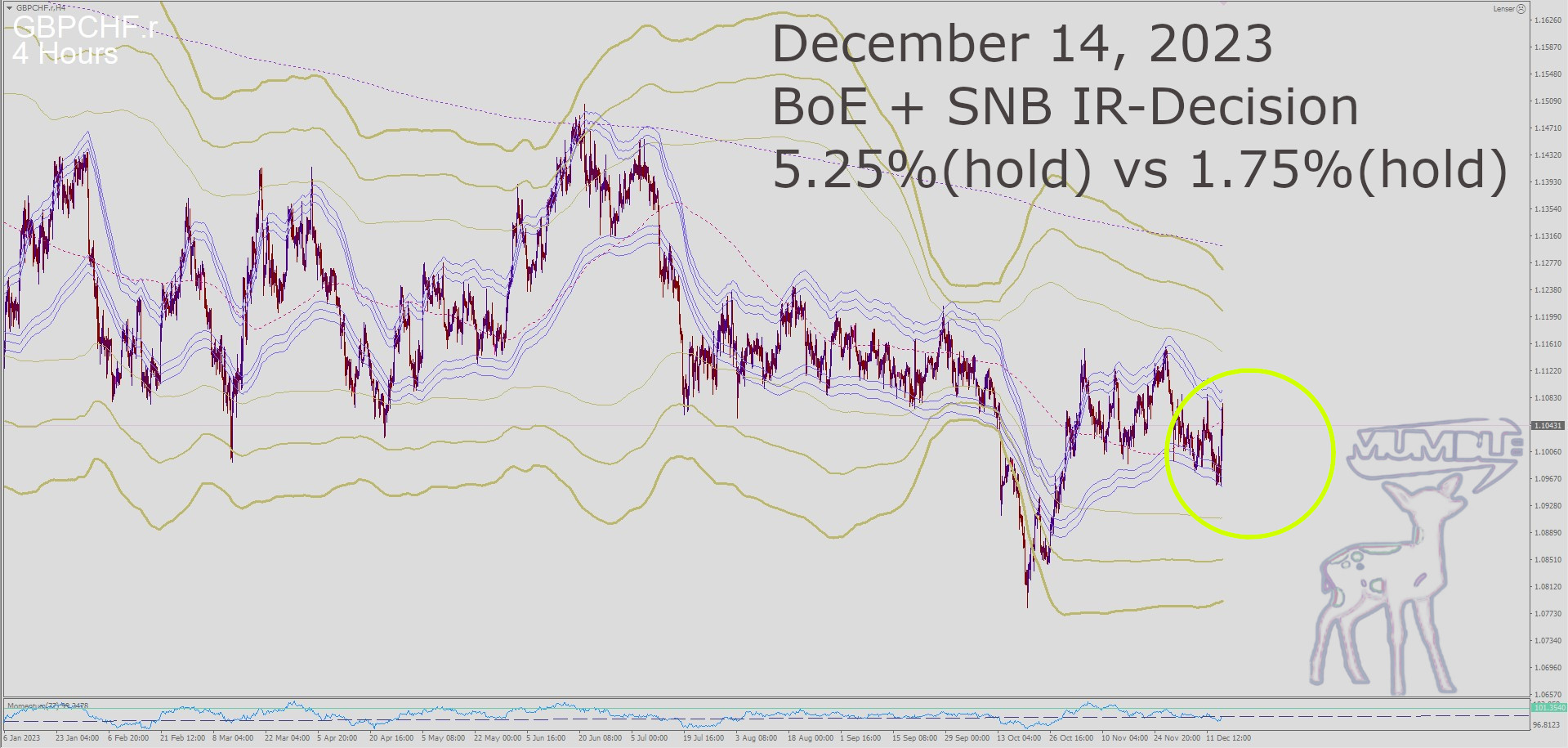
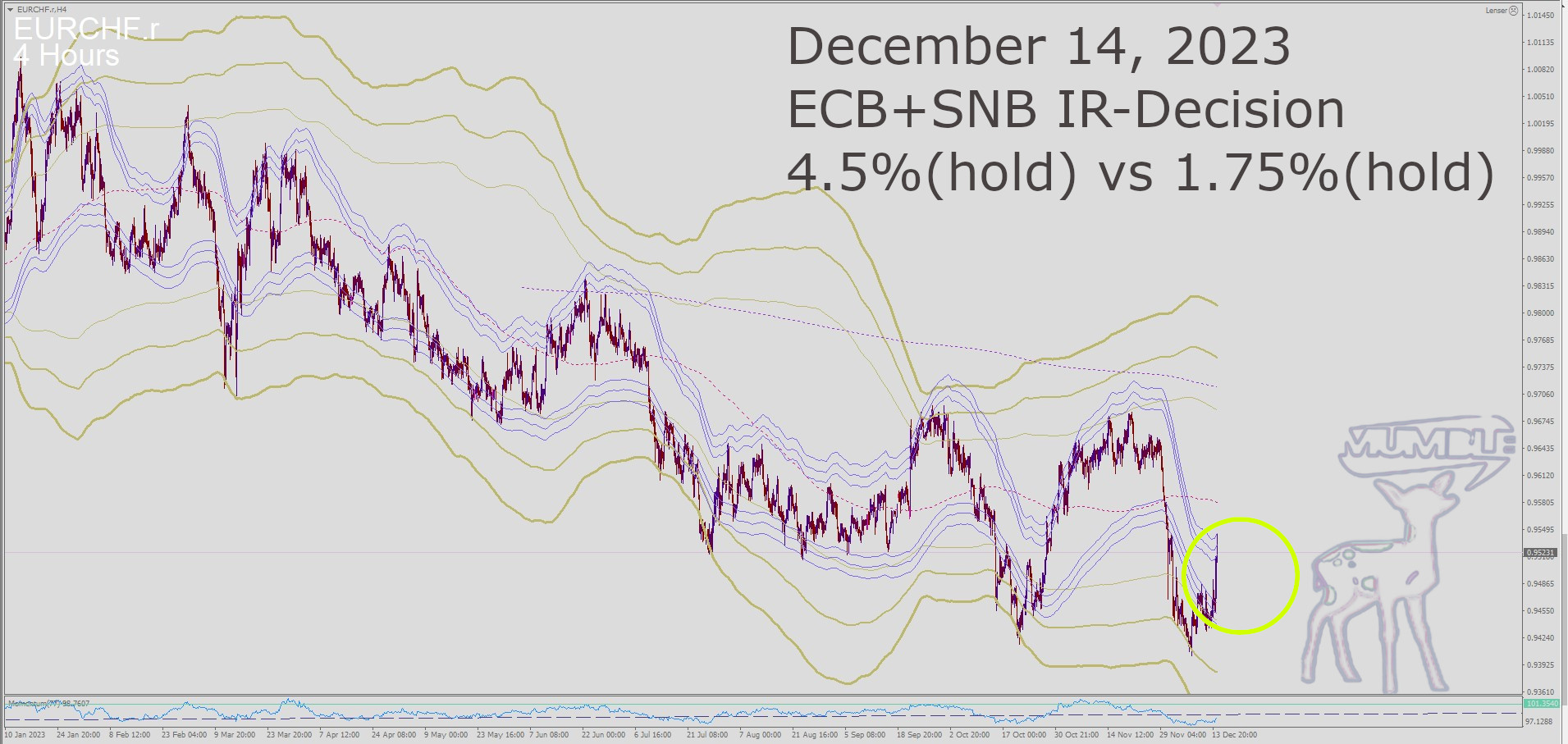
German 2023-12-14, die SNB behält ihren Leitzins bei 1.75%.
2023-12-14, die BoE behält ihren Leitzins bei 5.25%.
2023-12-14, die ECB behält ihren Leitzins bei 4.75%.

Herr Martin Schlegel, Vizepräsident des Direktoriums, zusammen mit Thomas Jordan, Präsident des Direktoriums der Schweizerischen Nationalbank geben bei einer Pressekonferenz den Leitzinsatz bekannt. Thomas Moser war auch mit auf dem Podium des Mediengesprächs. Er musste einer Frage nach Investments in US-Fracking-Öl entgegnen, inwieweit dieses mit den Kriterien der SNB vereinbar sei. Ein Fragesteller wollte wissen, wie im Detail, die erwähnten Devisenmarkt-Operationen vor sich gehen. Jordan merkte an, dass man den Franken nicht weiter verkaufen wolle, dagegen mit einer höheren Limite und geringerem Faktor, ein sanftes Easing einleite (letzter Spike im Tightening Cycle).
Ein Easing, eben da die erhöhte Inflation – Covid Pandemie, Supply Chain Verknappung – wohl für die Kantone vom Tisch sei. Im schweizer Ausland aber, sei die Inflation weiterhin nicht umfasst, was zu einem Eintrag dieser Inflation über Wege des Imports führen könne. Aller Zuversicht zum Trotz, könne man ein negatives Wachstum (BIP) nicht vollends ausschliessen.
Insgesamt gehe ich davon aus (min. 75% Wahrscheinlichkeit), gegeben der vorgetragenen Inhalte und der souverän-entspannten Haptik bei den Antworten auf die Fragen der Journalisten, dass der Rate-Hike-Cycle in der Schweiz abgeschlossen ist.

Das ganz große Ding aber, war die Ankündigung von Dr. M. Schlegel, dass das digitale Zentralbankgeld der Schweiz nun Realität geworden ist, mit allen Vorteilen eines Tokensystems. Sekundenschnelle Transaktionen, bargeldloses Bezahlen wie gewohnt, einfache Implementierung von Smart-Contract Lösungen, Sicherheit eines legalen Zahlungsmittels, Verfügbarkeit von Bargeld weiterhin gegeben.
Dies war geradezu ein historischer Moment in der Finanzgeschichte!

Auch die Bank of England behält ihren Leitzinssatz bei, London verzichtete aber auf eine Pressekonferenz. Eine ensprechende Frage-Antwort Runde gab es bereits zu Weihnachten am 6. Dezember, 2023, bei der Bekanntgabe des Financial Stability Reports. Wir sehen eine Bodenbildung des britischen Pfund über das FX-Board hin gesehen; London mit Support S@6.800 und Resistant R@8.400 weiterhin in guten Händen.
Etwas verstaubt kommen Baileys Anmerkungen zum Algo-Trading rüber. So versucht er zwischen diffuser Sicherheitsbedenken und einem unzureichenden Gefahrenbild in Hinblick eines KI-gestützten Trading zu unterscheiden. In der Realität des automatisierten Handels aber, ist die KI-gestützte Optimierung bereits seit Jahrzehnten Standard. Hier werden in Programmiersprache gegossene Handelsstrategien über historische Marktdaten (Kurse) anhand veränderbarer Variablen optimiert (math. Nährungsfunktion).
Etwas zu können, scheint immer etwas „strafbares“ zu bleiben. Ganz gleich wieviel Offshore die BoE uns verschweigen kann, es gibt unzählige Geldflüsse, welche diese mitverantwortet, aber sich einen feuchten D* darum schert. Bailey braucht eine Opfer-Kathode, um von dem fragil gewordenen Pfund abzulenken. Was der Bauer nicht kennt, das frisst er nicht…

Lagarde beisst sich trotz einer auslaufenden Covid-Infektion ans Rednerpult, nur um die Moslem-Bestien zu verharmlosen, welche von Ankara gar als „Freiheitskämpfer“ glorifiziert werden.

BoTg-b4 Russia’s unjustified war against Ukraine and the tragic conflict in the Middle East are key sources of geopolitical risk.

Russland führt einen ungerechtfertigten Krieg gegen die Ukraine, die Israelis dagegen bezichtigt sie lediglich eines „tragischen Konfliktes“ überdrüssig (welch‘ linkische Lapidarisierung nach Jahrzehnten das Scharia-Terrors gegen Israels Zivilisten ?!).
Kein Wort entgegen Geert Wilders und dessen Aufschwung seines Rechten Flügels in den Niederlanden. Keine Anmerkung gen des unterminierten Seerechts durch die Nationalisten Italiens, vertreten durch Miss Meloni. Eine seichte, rückradlose Blaupause an der Spitze der ECB? Ich kann nicht zu 100% wiedersprechen…
Wenigstens etwas Bewegung rund um die Entwicklung eines digitalen Zentralbankgeldes (englisch Central Bank Digital Currency, CBDC). Unser Euro-System wird alle Vorteile der Blockchain Network Technologie mit der Stabilität einer Zentralbankwährung vereinen.

Lagarde hätte sich vehementer gegen die Crypto-Währungen einsetzen müssen. Statt dessen richtet sie den Rebellen und Terroristen das gemachte Nest, und brüstet sich, es allen genehm‘ gemacht zu haben. Eine wahre Seele der Hochfinanz, eine beherzte und überzeugte Kapitalistin aber, spricht anderst!

Weitere Details und einen Ausblick auf den FX Exchange wie immer für Premium-Mitglieder.

LG Ben

Goody Traders

English 2023-12-14, the SNB keeps its key interest rate at 1.75%.
2023-12-14, the BoE keeps its key interest rate at 5.25%.
2023-12-14, the ECB keeps its key interest rate at 4.75%.

Mr. Martin Schlegel, Vice Chairman of the Board of Directors, together with Thomas Jordan, President of the Board of Directors of the Swiss National Bank, announced the Swiss key interest rate at a press conference. Thomas Moser was also on the podium at the ‚media talk‘. He had to answer a question about investments in US fracking oil to what extent this was compatible with the SNB’s investment criterias. One questioner wanted to know how in detail the foreign exchange market operations mentioned take place. Jordan noted that they did not want to continue selling the franc, but instead wanted to initiate gentle easing with a higher limit and lower factor (Peaking out Tightening).
Me, calling the latter easing, because increased inflation – the Covid pandemic, supply chain shortages – is probably off the table for the cantons. However, inflation is still not contained in other Swiss countries, which could cause external inflation to swap over into Swiss via imports. Despite all optimism, negative growth (GDP) cannot be completely ruled out.
Overall, I assume (at least 75% probability), given the information delivered, relaxed feel’n’touch about the given answers , that the rate hike cycle in Switzerland has been completed.

But the really big thing was the announcement by Dr. M. Schlegel said that Switzerland’s digital central bank money has now become a reality, with all the advantages of a token system. Transactions in seconds, cashless payments as usual, easy implementation of smart contract solutions, security of a legal means of payment, availability of cash continues, quick, easy, cheap, rugged, safe.
This was nothing short of a historic moment in financial history!

The Bank of England also maintained its key interest rate, but London decided not to hold a press conference hereabout. There was already a corresponding question-and-answer session at Christmas on December 6, 2023, when the Financial Stability Report was announced. We see the British pound bottoming out across the FX board, with London still in good hands. London 100 Stock Exchage Support S@6.800 and Resistant R@8.400.
Bailey’s comments on algorithmic trading come across as somewhat behind of the curve. He tries to distinguish between vague security concerns and an inadequate risk picture with regard to AI-supported trading. In the reality of automated trading, however, AI-supported optimizations have been standard for decades. Here, trading strategies written in programming language are optimized using historical market data while altering changeable variables (mathematical approximation function).
Being able to do something pioneer seems to remain something “punishable”. Never mind to thank the programmers. No matter how much offshore the BoE can hide. There are countless most questionable flows of money for which BoE count responsibility for but don’t give a damn. Bailey needs a sacrificial cathode to distract from the fragile pound. What the farmer does not know, he does not eat…(German proverb)

Despite recovering from a Covid infection, C. Lagarde bites into the lectern; but only for selfish reasons. Trivializeing and advocating actions against modern societies by the ‚unter mensch‘ moslem, which ones are even glorified as “freedom fighteing heros” by Ankara. Who if not the undependend one Christine Lagarde (she doesn’t depend on voters sympathy) should shout out loud against those kind of fellows?

BoTg-b4 Russia’s unjustified war against Ukraine and the tragic conflict in the Middle East are key sources of geopolitical risk.

Russia is waging an unjustified war against Ukraine, while the Israelis, she believes, are merely want to get rid of a „banal“ conflict (not tired of babaric terror from the Scharia-neighbors all the way down until WW1 ?!).
Not a word against Geert Wilders and the rise of his right wing in the Netherlands. No comment on the undermined maritime law by the nationalists of Italy, represented by Miss Meloni. A shallow, spineless blueprint at the top of the ECB? I’m not sure…
At least there is (finally) movement around the development of a digital central bank money (Central Bank Digital Currency, CBDC). Our Euro-System will combine all the advantages of blockchain network technology with the stability of a central bank currency.

Lagarde should have spoken out more vehemently against cryptocurrencies. Instead, she readies the nest for the rebels and terrorists, proceeds making everyone happy, but in a lovely manner. A true soul in high finance, but also objection Mrs. Lagarde, a courageous and convinced capitalist speaks differently!

More details and my outlook on the FX Exchange as always for Premium Members.

Sincerely Yours, Ben

UK 100 London Stock Exchage
UK 100 London Stock Exchage Daily-Chart | call it a Target here 🙂
GBPCHF H4
GBPCHF H4-chart
EURGBP H4
EURGBP H4-chart
EURCHF H4
EURCHF H4-chart
Highlights Bundesratswahlen 2023 – Elections au Conseil fédéral – Elezioni in Consiglio federale
The incredible ibex defies gravity and climbs a dam | Forces of Nature with Brian Cox – BBC

Externe Quellen/Links

URL-Link Beschreibung
tradingeconomics.com – Interest Rate
snb.ch – Geldpolitische Lagebeurteilung vom 14. Dezember 2023
bankofengland.co.uk – Monetary Policy Summary, December 2023
ecb.europa.eu – Monetary Policy statement press conference
ft.com – Central bank digital currency: blockchain could upend banking
agendapublica.elpais.com – Right-Wing Populist Geert Wilders Wins Dutch Elections Against All Odds
aerzte-ohne-grenzen.de – Italien: Neues Dekret behindert die Rettung von Menschen aus Seenot
nd-aktuell.de – Italien bricht das Völkerrecht
snb.ch – How to issue a central bank digital currency
six-group.com – SIX collabs with the SNB to pilot wholesale CBDC issuance in Switzerland

Stand with Israel

Stand with Israel

2023-10-31 23:12:45 GMT+2
DAX40__Daily
+++estar con israel+++

Guten Abend

German 2023-10-25, die BoC behält ihren Leitzins mit 5.00% gleichbleibend.
2023-10-26, die ECB behält ihren Leitzins mit 4.50% gleichbleibend.
2023-10-31, die BoJ behält ihren Leitzins mit (minus)-0.10% gleichbleibend.


Am 07.Oktober 2023 attackieren die Schergen Teherans (Hamas, Hisbollah) israelische Zivilisten und lynchen wahllos Babies, Frauen, Jung&Alt auf barbarischste Weise. Diese Untermenschen nahmen hunderte Geiseln, von denen mittlerweile eine deutsche Staatsangehörige ihr Leben lassen musste.
Der Islam wird immer in das Mittelalter zurückfallen, eine verrostete Sekte, neben der es nur eines gibt: Nicht-Moslems.
Da ich weiss, dass viele von Euch rational/logisch, quasi „human“ eine „Auge um Auge“ Position bevorzugen, sei folgendes erwähnt:
Auf der Welt leben 13.5M Juden, dem gegenüber 1’300M Moslems auf israelischem Boden 1’400 Juden ermordet haben. Von den vielen Details und historischen Umständen abgesehen (welche klar gegen die Moslems sprechen ~WK1 Gebiete des verlorenen osmanischen Reiches bei minimalem Verlust israelischen Territoriums zurückerhalten) ergibt sich rein von der Logik her: 13.5M geteilt durch 1’300M ergibt 0,01. Für einen Vergeltungsschlag benötigt es bei 1’400 israelischen Opfer geteilt durch 0,01 ergibt 140’000 Vergeltungsopfer, um das Verhältnis rechnerisch zu begleichen.
Eine Kriegserklärung gegen Teheran ist schon längst überfällig. Moskau sollte die Zeichen der Zeit lesen, sich bald aus der Ukraine zurückziehen und den Iran als „Wiedergutmachung“ feilgeben.
Mehr als diese Zeilen wird diesen Rohrkrepierern einer sektengleichen Religion nicht gewährt. Fullstop.

Alle drei Leitzinsentscheidungen sind dem Tenor nach unauffällig, doch dahinter verbirgt sich eine gigantische ökonomische Weichenstellung. Die Märkte sind weitestgehend resilent, können weiterhin nahe ihren Allzeithochs rangieren.
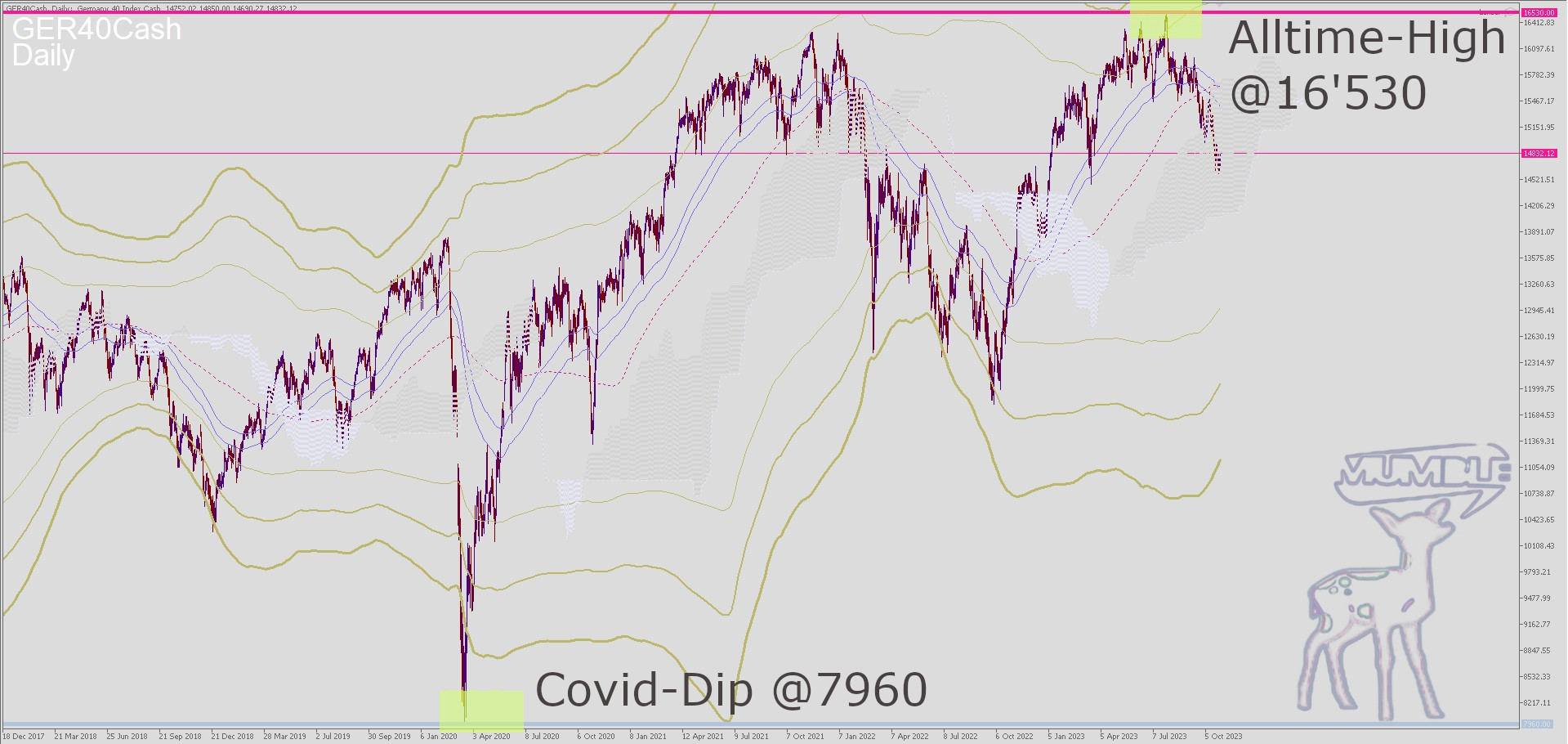
So der Deutsche-40 heute mit 14’840 Punkten 86% überhalb seines Covid-Dips bei 7’960 Punkten und lediglich 11% unterhalb seines Allzeit-Hochs bei 16’530 Punkten.
Das Risiko wandert weiter in Richtung Devisen, allen voran dem Schweizer Franken. Die Kantonswährung ist bisweilen nur noch mit Gold aufzuwiegen und scheint bis dato keine Intervention seitens der SNB befürchten zu müssen. Die Schweiz absorbiert das Value ohne dabei Schaden nehmen zu müssen, im Gegenteil, die SNB ist mittlerweile weit über dem historischen Negativleitzins bei 1.75%.
Auf die Situation in Japan nehme ich detailiert, für meine Premium-Klienten in einem Dossier, ausführlichem Trade-Setup und Live-Podcast mit Frage- und Antwortmöglichkeit, bezug.

Eine Anmerkung, bitte, in eigener Sache: BoTg-b4 BoTg-b4 kann dank vieler VorarbeiterInnen und ProgrammiererInnen (QA-Sets), endlich lernen. Sie ist natürlich kein Vergleich zu Bard oder ChatGPT, aber eine helle Freude für den Programmierer.
Botg-b4 wird unseren Nachfahren (*Bankerfaust*) aus meiner Autobiografie lesen und deren Fragen nach meinem Charakter zu meiner Sichtweise beantworten!

Weitere Details und einen Ausblick auf den FX Exchange wie immer für Premium-Mitglieder.

LG Ben

Goody Traders

English 2023-10-25, the BoC keeps its key interest rate the same at 5.00%.
2023-10-26, the ECB keeps its key interest rate the same at 4.50%.
2023-10-31, the BoJ keeps its key interest rate the same at (minus)-0.10%.


On October 7th, 2023, Tehran’s henchmen (Hamas, Hezbollah) has attacked Israeli civilians and indiscriminately lynch babies, women, young and old in the most barbaric way. These subhumans took hundreds of hostages, of which a German citizen has now lost her life.
Islam will always revert to the Middle Ages, a rusty sect, alongside which there is only one thing: non-Muslims.
Since I know that many of you rationally/logically, so to speak „humanly“ prefer an „eye for an eye“ position, the following should be mentioned:
There are 13.5 million Jews living in the world, while 1,400 Jews have been murdered on Israeli soil compared to 1,300 million Muslims. Apart from the many details and historical circumstances (which clearly speak against the ungrateful Muslims ~WW1 Muslims got back the areas of the lost Ottoman Empire with minimal loss of Israeli territory), logic dictates: 13.5M divided by 1,300M equals 0.01. For a retaliatory strike, 1,400 Israeli victims divided by 0.01 equals 140,000 retaliatory victims to mathematically settle the blood.
A declaration of war against Tehran is long overdue (rocket strikes from Gaza, Anti-Israel rethorics of the Ayatollah K.). Moscow should read the signs of the times, withdraw from Ukraine soon and offer the Western-Alliance Iran as a firststrike “compensation.” While we also know and honor that Moscow intended to secure NATO from itself, by securing the balance of power (Russian crimea A-base, tactical nuclear military base).
These sponges of a retarded religion are not allowed more than these few lines. Stand with Israel. Full stop.

The market impact of all three key interest rate decisions is unremarkable, but behind them lies a gigantic economic decision. The markets are largely resilient and can continue to be close to their all-time highs.
So the German 40 today stands at 14,840 points, 86% above its Covid dip at 7,960 points and just 11% below its all-time high at 16,530 points. The risk continues to move towards safe-heaven currencies, especially the Swiss franc. The cantonal currency can somewhat only be counterbalanced with gold and so far there does not appear to be any need to fear intervention from the SNB. Switzerland absorbs the (risk-off) value without having to suffer any damage, on the contrary, the SNB is now well above the historical negative key interest rate (-0.10) , todays count at 1.75%.
I refer to the situation in Japan in detail for my premium clients in a dossier, detailed trade setup and ongoing live podcasts with question and answer options.

A note, please, on my own behalf: BoTg-b4 BoTg-b4 now can learn thanks to many foremen and programmers (QA sets). Of course it’s no comparison to Bard or ChatGPT, but a programmer’s joy.
Botg-b4 will read my autobiography to our descendant (*Bankerfaust*) and answer their questions about my point of view!

More details and my outlook on the FX Exchange as always for Premium Members.

Sincerely Yours, Ben

DAX40__Daily
DAX40 Daily-Chart

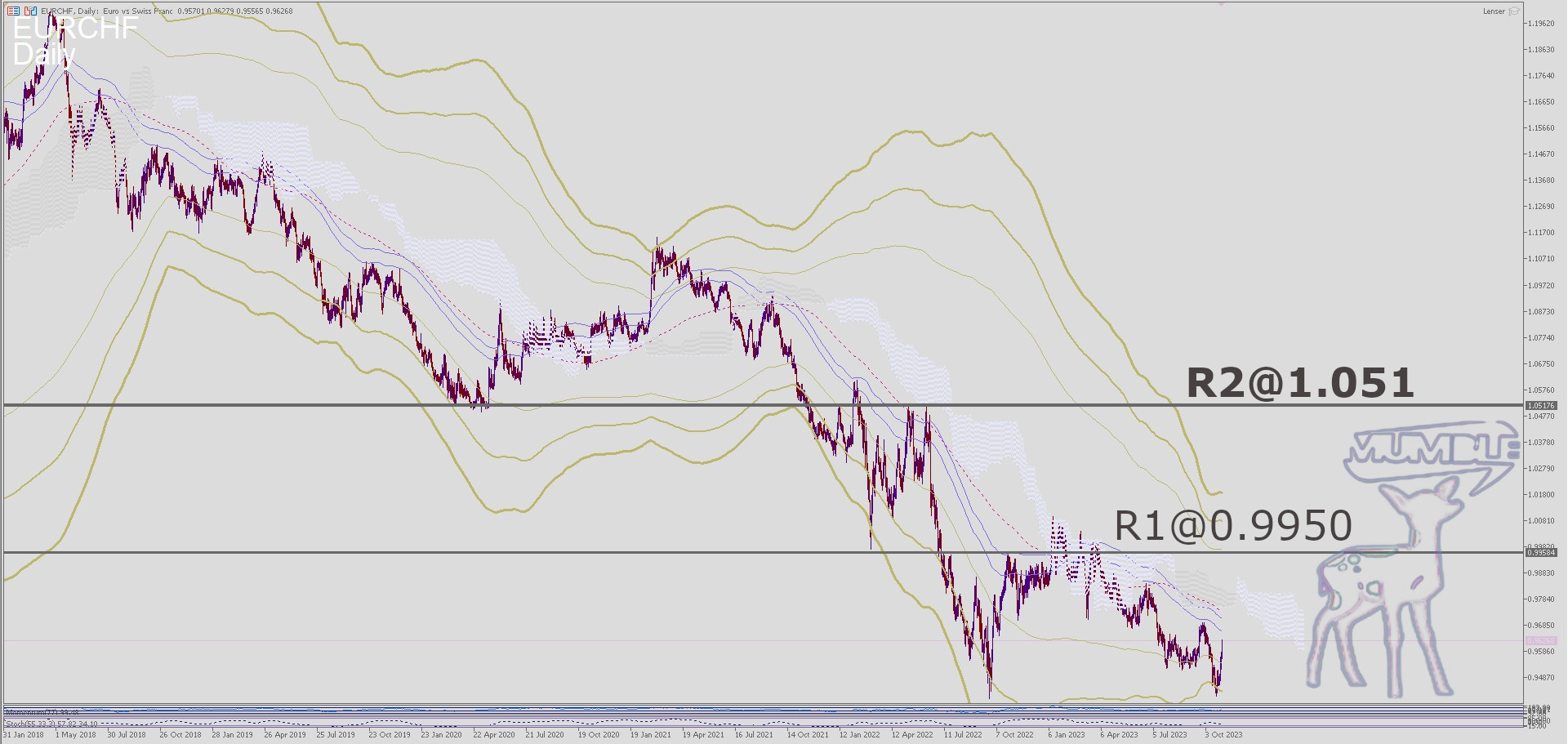
EURCHF__Daily
EURCHF Daily-Chart

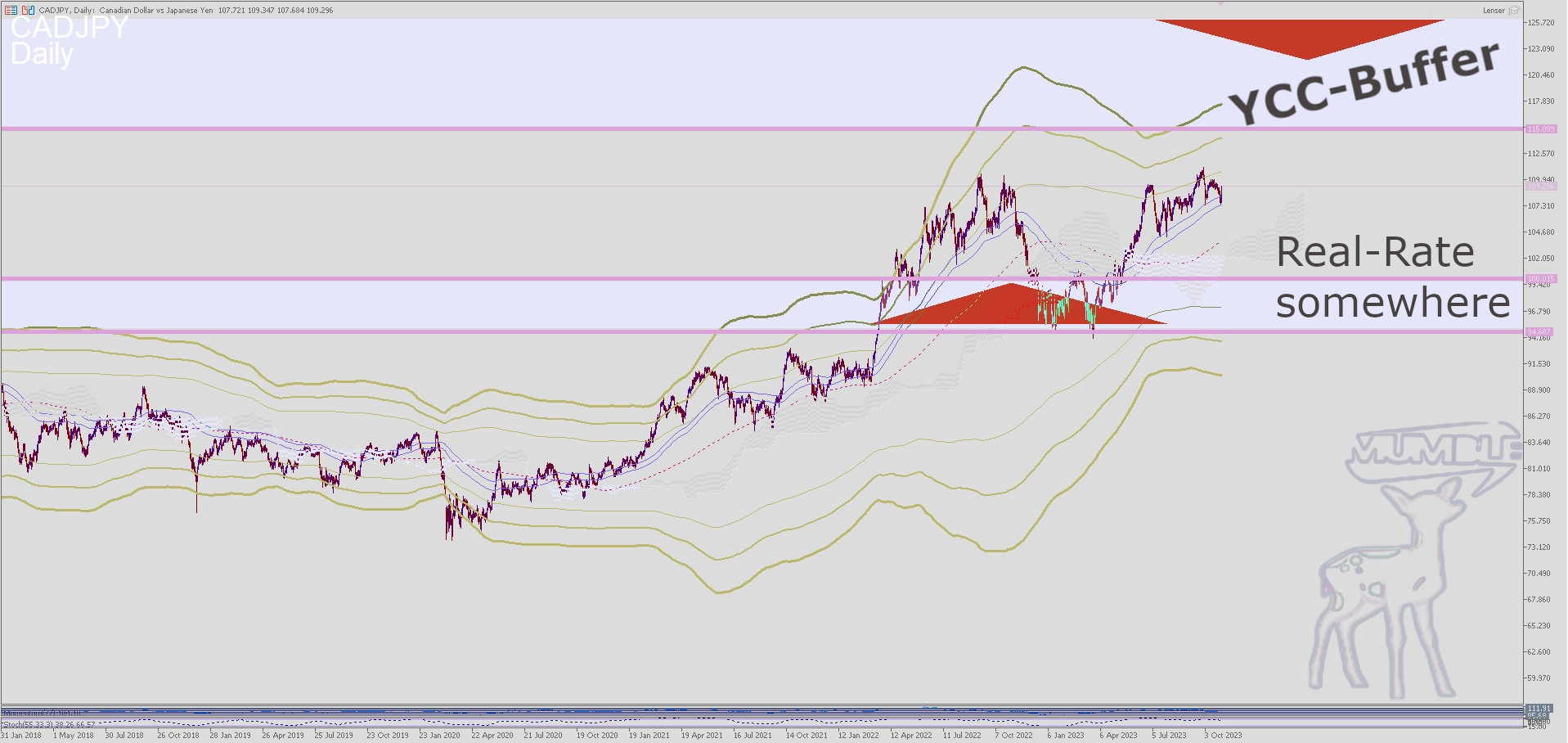
CADJPY__Daily
CADJPY Daily-Chart

CADJPY__Daily
BoTg-b4 initial

CADJPY__Daily
BoTg-b4 Happy Halloween

Externe Quellen/Links

URL-Link Beschreibung
wionews.com – ‚You and your Hamas friends…‘
tradingeconomics.com – Interest Rate country list
bankofcanada.ca – Monetary Policy Report October 2023
ecb.europa.eu – Remarks by Luis de Guindos
boj.or.jp – Statement on Monetary Policy October 31, 2023