Interest: Full House!

Interest: Full House!

2024-06-23 12:00:39 UTC+2

Guten Tag

German 12.06.2024, Geldpolitische Entscheidung der Fed (Leitzins: 5,50% +/- 0,0).
14.06.2024, Geldpolitische Entscheidung der BoJ (Leitzins: 0,10% +/- 0,0).
18.06.2024, Geldpolitische Entscheidung der RBA (Leitzins: 4,35% +/- 0,0).
20.06.2024, Geldpolitische Entscheidung der SNB (Leitzins: 1,25% -0,25).
20.06.2024, Geldpolitische Entscheidung der BoE (Leitzins: 5,25% +/- 0,0).

Federal Reserve Bank: Tendenz zu einer Zinssenkung in Q4 2024 (~September)

Schlüsseldaten Wert
Wirtschaftliche Aktivität und BIP-Wachstum
  • Die wirtschaftliche Aktivität setzt ihr solides Wachstum fort.
  • Das BIP-Wachstum verlangsamte sich von 3,4% im Q4 2023 auf 1,3% im Q1 2024.
  • Median-Projektion des BIP-Wachstums: 2,1% für 2024, 2,0% für die nächsten beiden Jahre.
Arbeitsmarkt
  • Der Arbeitsmarkt hat sich mit starken Beschäftigungsgewinnen und einer niedrigen Arbeitslosenquote verbessert.
  • Die monatlichen Jobzuwächse im Lohnbereich betrugen im April und Mai durchschnittlich 218.000.
  • Arbeitslosenquote: leicht gestiegen, bleibt aber niedrig bei 4%.
  • Median-Projektion der Arbeitslosenquote: 4,0% für 2024, 4,2% für 2025.
Inflation
  • Die Inflation ist von einem Höchststand von 7% auf 2,7% gesunken, liegt aber über dem Ziel von 2%.
  • Gesamte PCE-Preise stiegen um 2,7% in den letzten 12 Monaten bis April; Kern-PCE-Preise stiegen um 2,8%.
  • Median-Projektion der Gesamt-PCE-Inflation: 2,6% für 2024, 2,3% für 2025, 2,0% für 2026.
Geldpolitik
  • Das FOMC beschloss, den Politikzinssatz bei 5,25%-5,5% unverändert zu lassen.
  • Sie werden weiterhin die Bestände an Wertpapieren reduzieren und eine restriktive Haltung zur Kontrolle der Inflation beibehalten.
  • Prognosen für den Federal Funds-Zinssatz: 5,1% Ende 2024, 4,1% Ende 2025, 3,1% Ende 2026.

In seiner Sitzung im Juni 2024 berichtete die Federal Reserve, dass die wirtschaftliche Aktivität weiterhin mit einem soliden Tempo expandiert. Die Beschäftigungszahlen blieben stark, und die Arbeitslosenquote blieb niedrig, während die Inflation im letzten Jahr gesunken ist, aber auf einem erhöhten Niveau bleibt. Die Fed beschloss, den Leitzins auf 5,25 bis 5,5 Prozent zu halten, ohne dass bis zur nachhaltigen Senkung der Inflation mit weiteren Reduzierungen zu rechnen ist. Das Gremium signalisierte, dass es bereit ist, die Politik je nach Lage auf dem Arbeitsmarkt, Inflationsdruck und anderen wirtschaftlichen Entwicklungen anzupassen.

Bank of Japan: eine langsame, aber kontinuierliche Straffung der Geldpolitik ist wahrscheinlich.

Schlüsseldaten Wert
Wirtschaftliche Aktivität und BIP-Wachstum
  • Die wirtschaftliche Aktivität setzt ihr solides Wachstum fort.
  • Die japanische Wirtschaft hat sich trotz Schwächen in einigen Sektoren moderat erholt.
  • Der private Konsum bleibt robust, unterstützt durch verbesserte Unternehmensgewinne.
  • Exporte und öffentliche Investitionen stagnieren.
Arbeitsmarkt
  • Der Arbeitsmarkt hat sich verbessert, mit moderaten Zuwächsen bei Beschäftigung und Einkommen.
  • Arbeitslosenquote: bleibt niedrig.
  • Einige Sektoren, wie der Automobilverkauf, hatten aufgrund von Produktionsunterbrechungen Herausforderungen zu bewältigen.
Inflation
  • Jährliche CPI-Inflation: 2,0-2,5%, was auf moderate Preissteigerungen hinweist.
  • Inflationserwartungen sind leicht gestiegen.
  • Unterliegender CPI wird voraussichtlich allmählich steigen.
Geldpolitik
  • Schlüsselzinssatz kurzfristig beibehalten bei 0% bis 0,1%.
  • Pläne zur Reduzierung des Kaufs von JGBs, um langfristige Zinsen flexibler zu gestalten.
  • BoJ wird in kommenden Sitzungen über detaillierten Reduktionsplan entscheiden.
  • Politik bleibt unterstützend zur Förderung der wirtschaftlichen Erholung.

Die Bank of Japan hat ihren Schlüsselzinssatz bei rund 0% bis 0,1% in ihrer jüngsten geldpolitischen Sitzung beibehalten und damit den Erwartungen entsprochen, nachdem sie im März zuvor ihren Zinssatz angehoben hatte. Die Entscheidung war einstimmig, mit dem Fokus auf die Steuerung des unbesicherten Übernacht-Zinssatzes (ON RP, RRP). Zusätzlich plant die Bank, ihre Käufe japanischer Staatsanleihen (JGBs) zu reduzieren, damit sich langfristige Zinsen vermehrt auf dem freien Markt bilden können, eine Maßnahme, die von einer Mehrheit von 8-1 unterstützt wird. Trotz einiger wirtschaftlicher Schwächen wie stagnierenden Exporten und gedämpften öffentlichen Investitionen hat sich die japanische Wirtschaft moderat erholt, unterstützt durch einen robusten privaten Konsum und verbesserte Unternehmensgewinne. Die Inflation liegt im Bereich von 2,0-2,5%, mit moderaten Erwartungen an zukünftige Preissteigerungen. Die BoJ signalisierte weiterhin eine unterstützende Geldpolitik zur Förderung der wirtschaftlichen Erholung, während sie langsam, aber kontinuierlich eine straffere Geldpolitik verfolgt.

Reserve Bank of Australia: Tendenz zu einer „höher für länger“ Leitzins-Periode.

Schlüsseldaten Wert
Wirtschaftliche Aktivität und BIP-Wachstum
  • Die wirtschaftliche Aktivität setzt ihr solides Wachstum fort.
  • Das BIP-Wachstum hat sich leicht verlangsamt, bleibt aber robust.
  • Die Haupttreiber sind Bergbauinvestitionen, Exporte und Bauwesen.
Arbeitsmarkt
  • Der Arbeitsmarkt bleibt stark, mit einer rekordtiefen Arbeitslosenquote von 3,5%.
  • Jobzuwachs: leicht verlangsamt, aber immer noch positiv.
  • Die Lohninflation bleibt moderat.
Inflation
  • Die Inflation ist gesunken, bleibt aber über dem Zielbereich der RBA von 2-3%.
  • Jährliche Verbraucherpreisinflation: 2,1%.
  • Die Kerninflation ist stabil bei 2,0%.
Geldpolitik
  • Die RBA hat den Zinssatz bei 4,35% belassen, was allgemein erwartet wurde.
  • Das Gremium bleibt vorsichtig optimistisch über die wirtschaftliche Aussichten.
  • Prognosen für den Leitzinssatz: 4,25% bis 4,50% bis Ende 2024, 4,0% bis 4,25% bis Ende 2025.

Die Reserve Bank of Australia hat ihren Leitzins in ihrer letzten geldpolitischen Sitzung unverändert bei 4,35% belassen, was den Erwartungen entsprach. Die wirtschaftliche Aktivität setzt ihr solides Wachstum fort, angetrieben von Bergbauinvestitionen, Exporten und dem Bauwesen. Obwohl das BIP-Wachstum leicht nachließ, bleibt es robust. Der Arbeitsmarkt bleibt stark mit einer rekordtiefen Arbeitslosenquote von 3,5%, obwohl die Rate des Jobzuwachses sich verlangsamt hat. Die Inflation ist gesunken, liegt jedoch weiterhin über dem Zielbereich der RBA von 2-3%, mit einer jährlichen Verbraucherpreisinflation von 2,1% und einer stabilen Kerninflation von 2,0%. Die RBA signalisierte eine vorsichtig optimistische Sichtweise auf die wirtschaftlichen Aussichten und prognostizierte einen Zinssatz von 4,25% bis 4,50% bis Ende 2024 und von 4,0% bis 4,25% bis Ende 2025.

Swiss National Bank: Tendenz, Marktrisiken zu absorbieren und in Frankenstärke umzuwandeln. Eine kontinuierliche Frankenstärke führt zu einer lockeren, „für ewig niedrigen“ Leitzinspolitik.

Schlüsseldaten Wert
Wirtschaftliche Aktivität und BIP-Wachstum
  • Die wirtschaftliche Aktivität hat sich moderat erholt.
  • Das BIP-Wachstum bleibt positiv, aber die Aussichten haben sich leicht verschlechtert.
  • Unterstützt durch starken Privatkonsum und stabile Exporte.
Arbeitsmarkt
  • Der Arbeitsmarkt bleibt stabil, mit einer Arbeitslosenquote von 2,8%.
  • Jobwachstum hat sich verlangsamt, bleibt aber positiv.
  • Einige Sektoren, wie der Tourismus, verzeichnen eine robuste Beschäftigungslage.
Inflation
  • Die Inflation ist moderat und bleibt unter der Zielmarke der SNB von 2%.
  • Jährliche CPI-Inflation: 1,8%.
  • Core Inflation liegt bei 1,9%.
Geldpolitik
  • Der SNB-Leitzins liegt derzeit bei 1,25%.
  • Die Bank plant eine allmähliche Normalisierung ihrer Geldpolitik.
  • Prognosen für den Kassa-Zinssatz: 1,5% bis Ende 2024, 2,0% bis Ende 2025.

Die Swiss National Bank hat ihren Leitzins in ihrer letzten Sitzung bei 1,25% belassen, was den Erwartungen entsprach. Die wirtschaftliche Aktivität hat sich moderat erholt, unterstützt durch starken Privatkonsum und stabile Exporte, obwohl sich die Aussichten leicht verschlechtert haben. Der Arbeitsmarkt bleibt stabil mit einer Arbeitslosenquote von 2,8%, wobei das Jobwachstum zwar verlangsamt, aber weiterhin positiv ist. Die Inflation bleibt moderat und liegt unter der Zielmarke der SNB von 2%, mit einer jährlichen CPI-Inflation von 1,8% und einer Core Inflation von 1,9%. Die SNB hat eine allmähliche Normalisierung ihrer Geldpolitik signalisiert und prognostiziert einen Zinssatz von 1,5% bis Ende 2024 und von 2,0% bis Ende 2025.

Bank of England: robuste, kugelsichere Inflation im Fokus. Es wird erwartet, dass die Zinsen früher oder später gesenkt werden, da die Wirtschaft des Empire immer noch fragil scheint (~Brexit ~ Geopolitische Risiken ~ Britische Staatsanleihen, Gilts Schock ~ Invertierte Zinskurve).

Schlüsseldaten Wert
Wirtschaftliche Aktivität und BIP-Wachstum
  • Die wirtschaftliche Aktivität hat sich moderat erholt.
  • Das BIP-Wachstum hat sich von 2,0% im Q4 2023 auf 1,8% im Q1 2024 verlangsamt.
  • Stärkster Wachstumstreiber: Konsum und Dienstleistungen.
Arbeitsmarkt
  • Der Arbeitsmarkt bleibt stark, mit einer Arbeitslosenquote von 3,8%.
  • Jobzuwachs: leicht verlangsamt, aber weiterhin positiv.
  • Die Lohninflation hat sich beschleunigt, bleibt aber moderat.
Inflation
  • Die Inflation bleibt über dem Zielbereich der BoE von 2%.
  • Jährliche Verbraucherpreisinflation: 2,4%.
  • Die Kerninflation ist auf 2,1% gestiegen.
Geldpolitik
  • Die BoE hat den Zinssatz in ihrer letzten Sitzung unverändert bei 1,0% belassen.
  • Das Gremium diskutiert über eine Zinserhöhung im Juni 2024.
  • Prognose für den Kassa-Zinssatz: 1,25% bis Ende 2024, 1,75% bis Ende 2025.

Die Bank of England hat ihren Zinssatz in ihrer letzten Sitzung unverändert bei 1,0% belassen, was den Erwartungen entsprach. Die wirtschaftliche Aktivität hat sich moderat erholt, angetrieben von Konsum und Dienstleistungen, obwohl sich das BIP-Wachstum von 2,0% im Q4 2023 auf 1,8% im Q1 2024 verlangsamt hat. Der Arbeitsmarkt bleibt stark mit einer Arbeitslosenquote von 3,8%, obwohl sich die Rate des Jobzuwachses leicht verlangsamt hat. Die Lohninflation hat sich beschleunigt, bleibt aber moderat. Die Inflation bleibt über dem Zielbereich der BoE von 2%, mit einer jährlichen Verbraucherpreisinflation von 2,4% und einer Kerninflation von 2,1%. Die BoE diskutiert über eine mögliche Zinserhöhung im Juni 2024 und prognostiziert einen Zinssatz von 1,25% bis Ende 2024 und von 1,75% bis Ende 2025.

Weitere Details und einen Ausblick auf den FX Exchange wie immer für Premium-Mitglieder.
LG Ben&Deniz

Goody Traders

English 06/12/2024, Monetary Policy Decision of the FED (Key Interest Rate: 5.50% +/- 0.0).
06/14/2024, Monetary Policy Decision of the BoJ (Key Interest Rate: 0.10% +/- 0.0).
06/18/2024, Monetary Policy Decision of the RBA (Key Interest Rate: 4.35% +/- 0.0).
06/20/2024, Monetary Policy Decision of the SNB (Key Interest Rate: 1.25% -0.25).
06/20/2024, Monetary Policy Decision of the BoE (Key Interest Rate: 5.25% +/- 0.0).


Federal Reserve Bank: tendency for one rate cut in Q4 2024 (~Septemper)

Key Data Value
Economic Activity and GDP Growth
  • Economic activity continues to expand at a solid pace.
  • GDP growth moderated from 3.4% in Q4 2023 to 1.3% in Q1 2024.
  • Median GDP growth projection: 2.1% for 2024, 2.0% for the next two years.
Labor Market
  • The labor market has come into better balance with strong job gains and low unemployment.
  • Payroll job gains averaged 218,000 per month in April and May.
  • Unemployment rate: ticked up slightly but remains low at 4%.
  • Median unemployment rate projection: 4.0% for 2024, 4.2% for 2025.
Inflation
  • Inflation has eased from a peak of 7% to 2.7%, but remains above the 2% goal.
  • Total PCE prices rose 2.7% over the 12 months ending in April; core PCE prices rose 2.8%.
  • Median projection for total PCE inflation: 2.6% for 2024, 2.3% for 2025, 2.0% for 2026.
Monetary Policy
  • The FOMC decided to leave the policy interest rate unchanged at 5.25%-5.5%.
  • They will continue to reduce securities holdings and maintain a restrictive stance to control inflation.
  • Federal funds rate projections: 5.1% for end of 2024, 4.1% for end of 2025, 3.1% for end of 2026.

In its June 2024 meeting, the Federal Reserve reported that economic activity has continued to expand at a solid pace. Job gains have remained strong, and the unemployment rate has stayed low, while inflation has eased over the past year but remains elevated. The Fed decided to maintain the federal funds rate at 5.25 to 5.5 percent, with no reductions expected until inflation trends sustainably lower. The Committee indicated it is ready to adjust policies based on labor market conditions, inflation pressures, and other economic developments.

Bank of Japan: likely to tighten monetary policy slowly but continously.

Key Data Value
Economic Activity and GDP Growth
  • Economic activity continues to expand at a solid pace.
  • Japan’s economy has recovered moderately despite weaknesses in some sectors.
  • Private consumption remains resilient, supported by improving corporate profits.
  • Exports and public investment have been stagnant.
Labor Market
  • The labor market has improved, with moderate gains in employment and income.
  • Unemployment rate: remains low.
  • Some sectors, such as automobile sales, have faced challenges due to production suspensions.
Inflation
  • Year-on-year CPI inflation: 2.0-2.5%, reflecting moderate price increases.
  • Inflation expectations have risen modestly.
  • Underlying CPI expected to increase gradually.
Monetary Policy
  • Key short-term interest rate: maintained at 0% to 0.1%.
  • Plans to reduce purchases of JGBs to allow long-term rates more flexibility.
  • BoJ to decide on detailed reduction plan in upcoming meetings.
  • Policy remains accommodative, supporting economic recovery.

The Bank of Japan maintained its key short-term interest rate at around 0% to 0.1% in its recent Monetary Policy Meeting, aligning with expectations following its rate hike earlier in March. The decision was unanimous, with a focus on guiding the uncollateralized overnight call rate. Additionally, the Bank plans to reduce its purchases of Japanese government bonds (JGBs) to allow long-term interest rates to form more freely, a move endorsed by an 8-1 majority vote. Despite some economic weaknesses such as flat exports and subdued public investment, Japan’s economy has shown moderate recovery, supported by resilient private consumption and improving corporate profits. Inflation remains in the range of 2.0-2.5%, with moderate expectations for future increases.

Reserve Bank of Australia: tendency to hold „interest higher for longer“.

Key Data Value
Monetary Policy Decision
  • RBA kept cash rate unchanged at 4.35%.
  • Interest rate on Exchange Settlement balances maintained at 4.25%.
  • Central bank remains cautious on inflation, above midpoint of 2–3% target range.
  • Policy stance: data-dependent with no pre-determined actions.
Economic Activity and GDP Growth
  • Economic activity showing signs of softening.
  • GDP growth slowed, unemployment rate rising, and wage growth subdued.
  • Consumption growth uncertain, influenced by real incomes, housing prices, and fiscal measures.
  • Output growth restrained, consumption per capita declining.
Inflation
  • Inflation above target range due to persistent high services costs.
  • Yearly CPI rise: 3.6% headline, 4.1% excluding volatile items.
  • Medium-term inflation expectations consistent with target, but inflation remains high.
  • Uncertainty persists on services price inflation and unit labour costs.
Global and Market Monitoring
  • Board monitoring global economy, domestic demand, and inflation and labor market outlooks.
  • Geopolitical uncertainties influencing supply chains and economic conditions.
  • Focus on monetary policy effectiveness amid economic slowdown and tight labor market conditions.

During its June meeting, the Reserve Bank of Australia opted to maintain the cash rate at 4.35%, holding borrowing costs steady for the fifth consecutive time since its last hike in November 2023, in line with market expectations. Despite this decision, the central bank reiterated concerns about inflation persisting above the 2–3% target range, largely driven by elevated service costs. Recent economic data underscored the need for continued vigilance against inflation risks, although the board emphasized its data-dependent approach without ruling out future actions. Moreover, indicators pointed to a softening economic landscape, including subdued GDP growth, increased unemployment rates, and slower wage growth. The board also decided to retain the interest rate on Exchange Settlement balances at 4.25%, signaling ongoing stability in monetary policy measures.

Swiss National Bank: tendency to absorb and transform market risk into Swiss Franc strenght. No need to hike, expect „lower for ever“.

Key Data Value
SNB Policy Rate Lowered to 1.25% effective June 21, 2024
Inflation Rose to 1.4% in May, driven by rents, tourism, and petroleum; domestic services significant
Inflation Forecast Stable at 1.3% (2024), 1.1% (2025), 1.0% (2026) with current rate
Global Economic Outlook Solid growth in Q1 2024, geopolitical risks remain
Swiss GDP Moderate growth in Q1 2024, driven by service sector; slight increase in unemployment

The Swiss National Bank (SNB) lowered its policy rate by 0.25 percentage points to 1.25% at its June 20, 2024 meeting, effective from June 21, 2024, aiming to maintain appropriate monetary conditions amid easing inflation pressures driven by domestic services. Inflation in May rose slightly to 1.4%, influenced by higher costs in rents, tourism services, and petroleum products. The SNB’s inflation forecast remains stable, projecting rates at 1.3% for 2024, 1.1% for 2025, and 1.0% for 2026 with the current rate. Global economic growth was solid in Q1 2024, but risks from geopolitical tensions persist. Switzerland saw moderate GDP growth in Q1 2024, supported by service sector expansion, while unemployment edged up slightly.

Bank of England: rugged and bullet proven inflation in focus. Expected to cut interest sooner then later, due still fragile (~Brexit ~Geopolitics ~UK Gilts ~Inverted Yield Curve) Empire economy.

Key Data Value
Bank Rate Decision Maintained at 5.25%, with two members advocating for a reduction to 5%
Inflation Returned to 2% target; driven by moderating expectations and lower energy prices
GDP Growth Exceeded expectations; underlying surveys suggest slower economic momentum
Monetary Policy Stance Remains restrictive until inflation risks diminish; MPC monitoring closely
Economic Risks Prepared to adjust policy based on upcoming economic data and forecasts

The Bank of England opted to maintain the Bank Rate at 5.25% during its June meeting, aligning with market expectations, although two members advocated for a reduction to 5%. Economic indicators show UK inflation has returned to the 2% target due to moderating inflation expectations and lower energy prices. Despite stronger-than-expected GDP growth, underlying surveys suggest slower economic momentum. The Monetary Policy Committee (MPC) remains committed to a restrictive policy stance until inflation risks subside. They continue to monitor economic data closely and are prepared to adjust policy as necessary.

More details and my outlook on the FX Exchange as always for Premium Members.

Sincerely Yours, Ben&Deniz

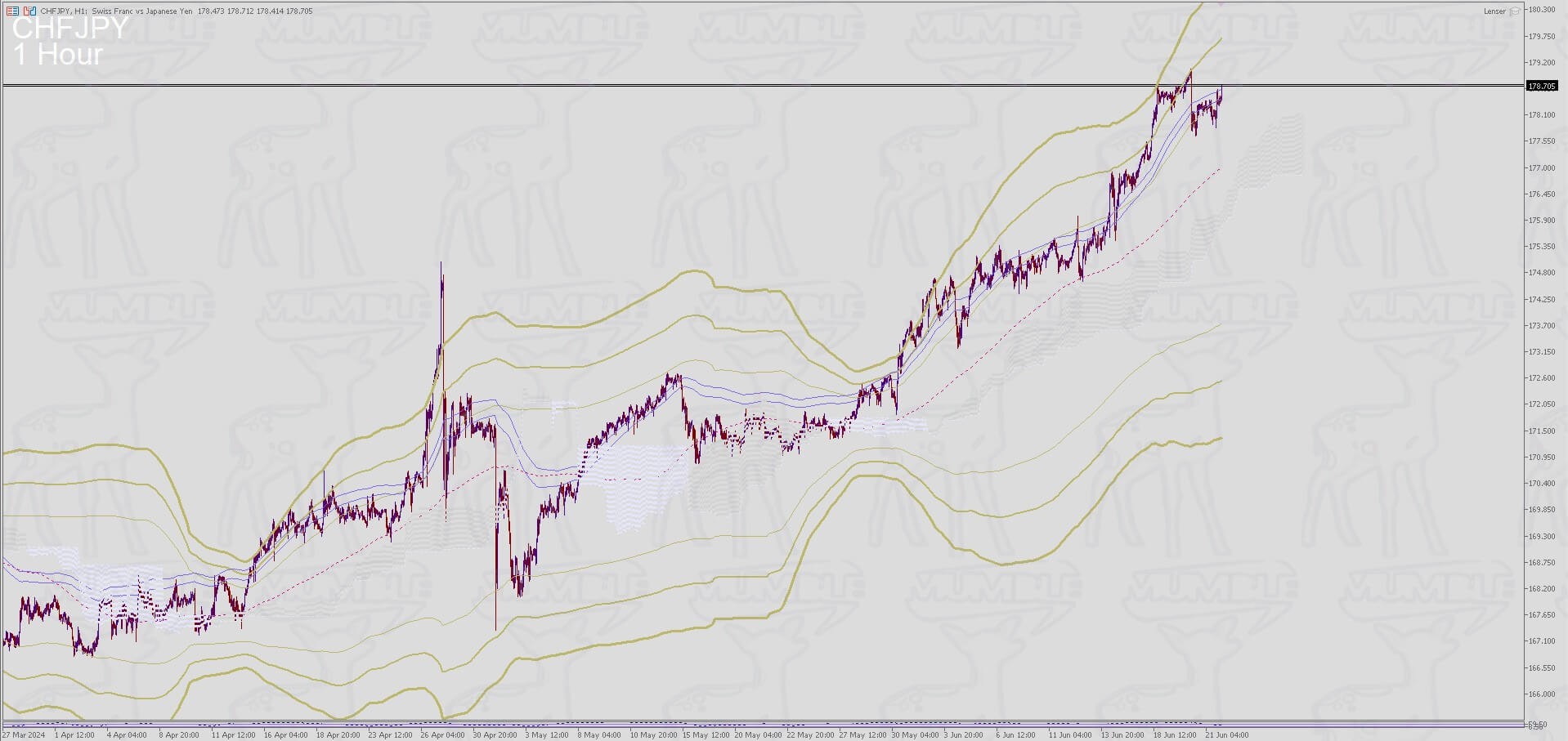
CHFJPY H1 Chart
CHFJPY H1-Chart
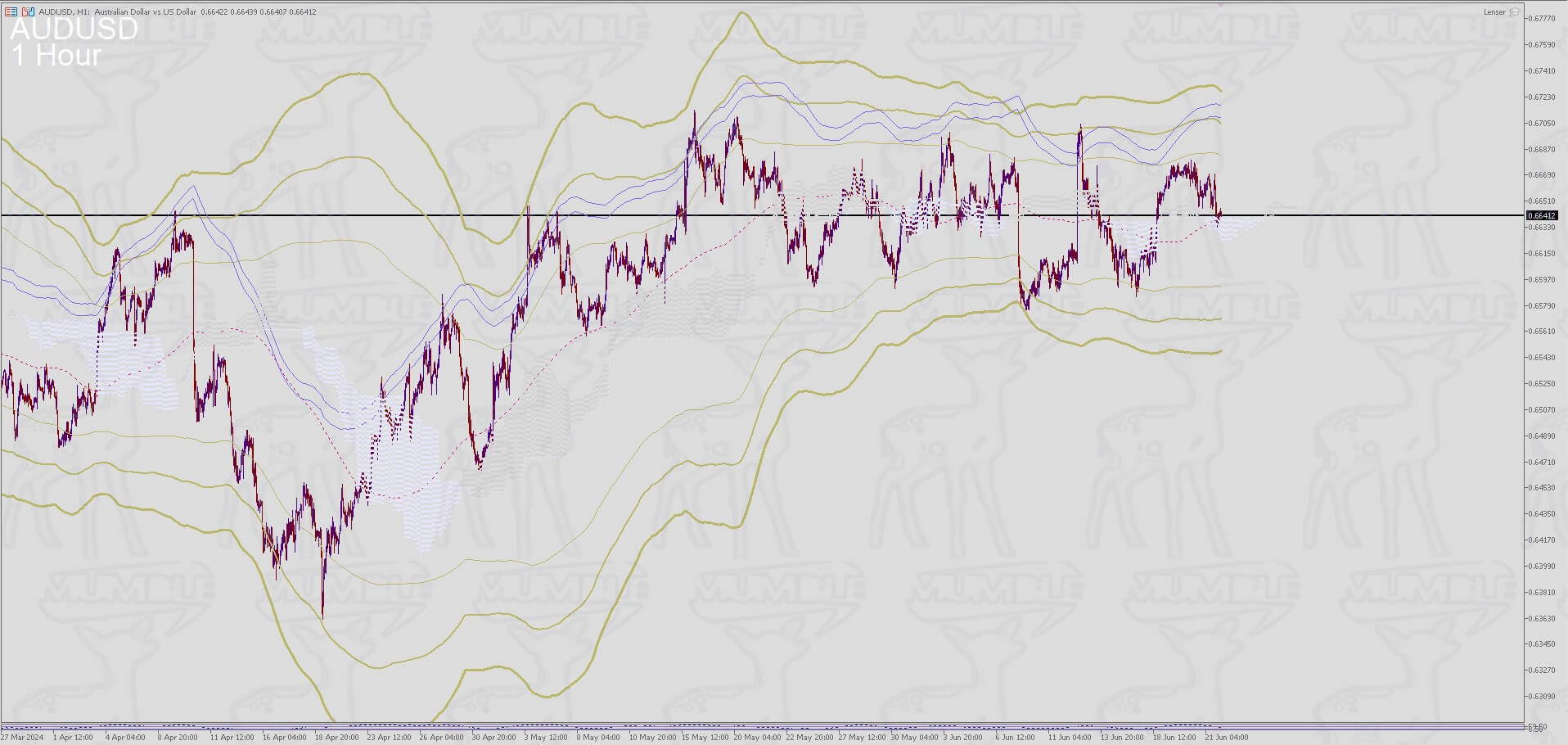
AUDUSD H1 Chart
AUDUSD H1-Chart
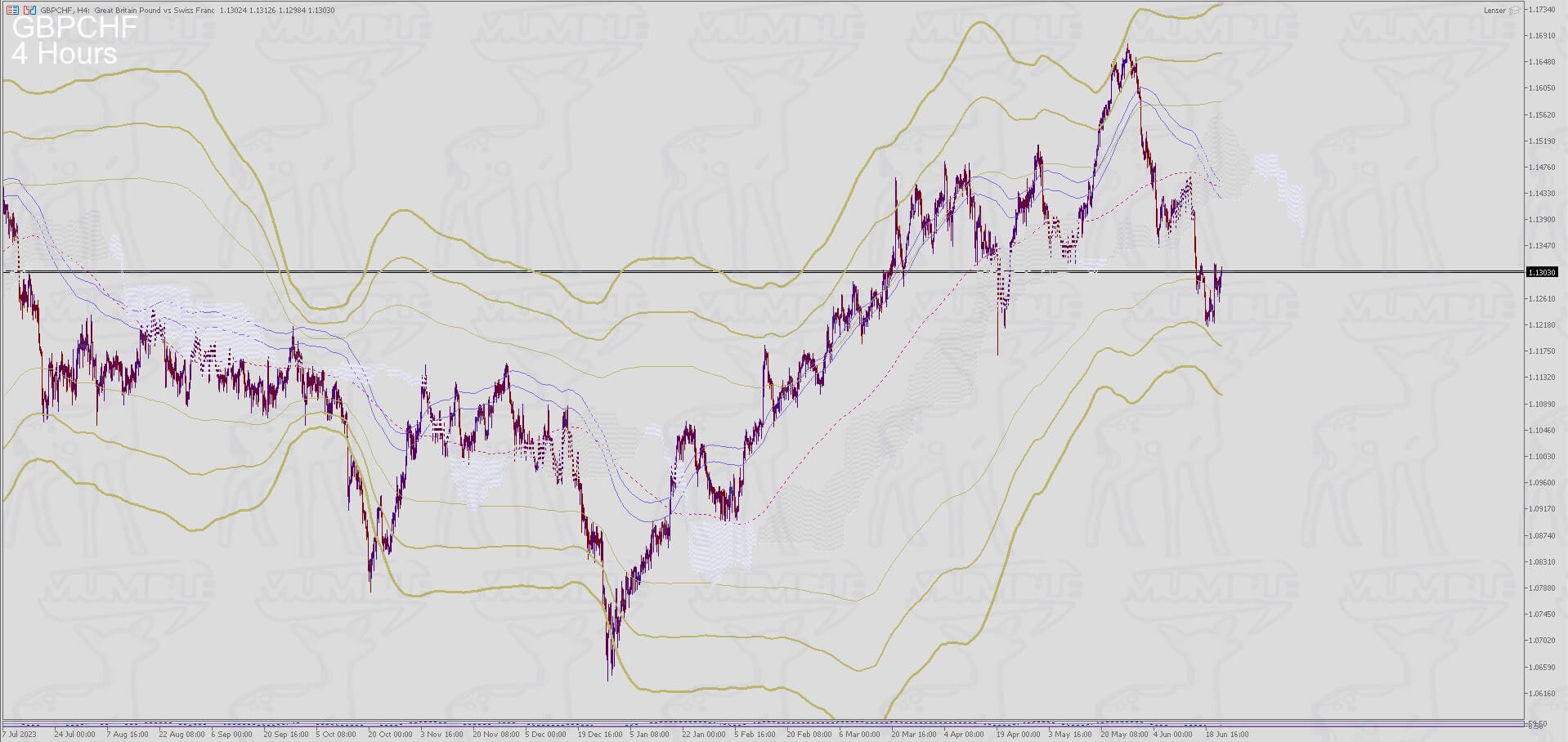
GBPCHF H4 Chart
GBPCHF H4 Chart
FOMC Press Conference June 12, 2024
Media Conference – Monetary Policy Decision – 18 June 2024
Japans massives Geldexperiment ist vorbei. Was nun?
Bloomberg Originals

Externe Quellen/Links

URL-Link Beschreibung
federalreserve.gov – Federal Reserve issues FOMC statement June 12, 2024 (PDF)
federalreserve.gov – Transcript of Chair Powell’s Press Conference June 12, 2024 (PDF)
NHK WORLD on YouTube – Yen volatile after BOJ decision on bond purchases June 17, 2024
boj.or.jp – BoJ Statement on Monetary Policy June 14, 2024 (PDF)
rba.gov.au – Monetary Policy Decision June 18, 2024
rba.gov.au – Michele Bullock: Media Conference June 18, 2024 (Transcript)
snb.ch – Geldpolitische Lagebeurteilung vom 20. Juni 2024
snb.ch – Mediengespräch der Schweizerischen Nationalbank vom 20. Juni 2024, Zürich
bankofengland.co.uk – Monetary Policy Summary, June 20 2024
bankofengland.co.uk – Monetary Policy Summary, June 20 2024 (PDF)

Generally stickier

Generally stickier

2023-08-06 15h:05m:38s GMT+2

Schönen Kaffee&Kuchen,

German 2023-08-01, die RBA behält ihren Leitzins mit 4.10% gleich.

2023-08-03, die BoE erhöht ihren Leitzins um 25 Basispunkte auf 5.25%

„[…] In these economies, policy rates are generally at a higher level than the cash rate in Australia.“ In dem Statement der Reserve Bank of Australia liest sich, vergleichbare Ökonomien hätten ihren Leitzinssatz weiter erhöht, obgleich diese „generell“ einen höheren Leitzinssatz (als Australien) einfordern würden. Dies ist besonders ab 2012 gesehen entgegen den USA, Groß Britanien und Europa nicht der Fall gewesen. Deren Leitzinssatz befand sich in den letzten 10 Jahren fast durchgehend unterhalb deren Lowes‘ RBA.
Man erwartet bis Ende 2025 eine erhöhte Inflation, ist aber optimistisch, dass die getroffenen Maßnahmen ihre Schlagkraft erst noch entfalten werden. Der AUDUSD verliert in den ersten 48h nach der Veröffentlichung des Statements rund 2.5% und nochmal knapp 2.5% gegenüber dem Euro. Der GBPAUD steigt bis auf 1.9450 (+1.9% | Eröffnung am 01-Aug-2023 @1.9085).
Bis kurz vor Wochenschluss legte der Australia 10Y-Bond von 4% auf knappe 4.2% (+5%) zu, um dann plötzlich wieder auf 4% ab zu sackten. Die australische Bond-Yield-Kurve bleibt weiterhin partiell invertiert.

Das Team um Bailey prognostiziert ein schrumpfendes Bruttoinlandsprodukt und damit eine technische Rezession. Von +0.8% Q3-2023 bis auf +0.3% in Q3-2024, womit angenommen werden darf, dass von diesen vier Quartalen mindestens zwei aufeinanderfolgend ein geringeres Wachstum aufweisen werden. Einer der Journalisten bei der Pressekonferenz der BoE, Larry Elliot von dem Guardian, bezeichnet das oft zitierte higher-for-longer spöttisch als if-it’s-isn’t-hurting-it’s-not-working. Eine zahnlose Bank of England so zusagen, welche jene Maßnahmen ergreift, mit welchen sie nichts bewirken und somit auch nichts verschlimmern könnte.
Verantwortliche Top-Ökonomen als Zuschauer in einer (GBP-)Walnussschale auf dem grossen Ozean der Global Player?
Erwähnt sei für Dich als LeserIn dieser Webseite exlusiv, das gegeben dem gigantische Offshore-Vermögen und daran gebunden gewisse FX-Levels, der GBP-Exchange bestimmte Levels nicht unterschreitet und auch nicht unterschreiten wird. Daneben, wie Andrew anmerkt, seien die beiden Variablen Pandemie und Russland-Konflikt, zwei die weniger in Finanz-Modellen Berücksichtigung fanden. Daher befände man sich am unteren Level einer Funktion, welche mit den September-2022 Emergency-Bond-Aufkäufen (65 Milliarden Pfund) ihren Tiefpunkt durchlaufen haben sollte.

Weitere Details und einen Ausblick auf den FX Exchange wie immer für Premium-Mitglieder.

LG Ben

Goody Traders

English 2023-08-01, the RBA keeps its policy rate unchanged at 4.10%.

2023-08-03, the BoE raises its policy rate by 25 basis points to 5.25%

„[…] In these economies, policy rates are generally at a higher level than the cash rate in Australia.“ The statement by the Reserve Bank of Australia reads that comparable economies have further increased their key interest rate, although they would „generally“ demand a higher key interest rate (than Australia). This has not been the case, especially since 2012, in contrast to the USA, Great Britain and Europe. Their key interest rate has been below Lowes‘ ones almost continuously for the last 10 years.
Increased inflation is expected by the end of 2025, but one is optimistic that the measures taken will only develop their impact. In the first 48 hours after the statement was published, the AUDUSD lost around 2.5% and another almost 2.5% against the Euro. GBPAUD climbs as high as 1.9450 (+1.9% | open on 01-Aug-2023 @1.9085).
Until just before the end of the week, the Australia 10Y bond gained from 4% to just under 4.2% (+5%), only to then suddenly plummet again to 4%. The Australian bond yield curve remains partially inverted.

Bailey’s team forecasts a shrinking gross domestic product and thus a technical recession. From +0.8% Q3-2023 to 0.3% in Q3-2024, which means that in these four quarters it can be assumed that at least two consecutive quarters will show lower growth. One of the questioners, Larry Elliot of the Guardian, derisively refers to the often-cited higher-for-longer as if-it’s-isn’t-hurting-it’s-not-working. Pointing to a toothless Bank of England, so to speak, which takes the measures with which it accomplish nothing and therefore not aggravate anything.
Responsible top economists as spectators in a (GBP) walnut shell on the great ocean of global players?
It’s first mentioned on this website, that’s given the gigantic offshore wealth and it’s associated FX levels which forces the GBP exchange not to and never to fall below certain levels. In addition, as Andrew Bailey notes, that the two variables pandemic and Russia conflict, are actually two ones that have received less attention in financial models. The British economy with it’s currency therefore might be at the lower level of a function that actually had bottomed out with the September 2022 emergency bond purchases (£65 billion).

More details and my outlook on the FX Exchange as always for Premium Members.

Sincerely Yours, Ben

AUDUSD D1 Chart
AUDUSD D1 Chart
Australia 10Y
Australia 10Y

Sky News Australia

RBA leaves interest rates on hold at 4.1 per cent

Bank of England

Monetray Policy Report Press Conference, August 2023

Ben Bernanke

What caused the US pandemic-era inflation, 2023

Externe Quellen/Links

URL-Link Beschreibung
RBA – Statement on Monetary Policy 01 August 2023
tradingeconomics – Australia Interest Rate
tradingeconomics – Australia Government Bond 10Y
worldgovernmentbonds – Australia Government Bonds – Yields Curve
reuters Sep-2022 – BoE to buy 65 billion pounds of UK bonds to stem rout
tradingeconomics – United Kingdom Interest Rate
BoE – Monetary Policy Report 03 August 2023

YCC 2-10-40

reuters.com – BoE 1.195.000.000.000GBP in Gov-Bonds
Cryptos waiting for Big-Bang moment

Guten Morgen Traders,
German Crash beim britischen Pfund! Andrew Bailey, Vorsitzender der Bank of England (BoE), sicher alles andere als ‚quite amused‘. Alles erinnert an George Soros Short Attacke 1992, des sogenannten ‚Black Wednesday’`s.
Allzeittiefs bei den GBP-Pairs nötigen die BoE heute,
*1)1.195.000.000.000 1.195.000.000 GBP auf den Tisch zu hauen und damit britische Staatsanleihen aufzukaufen. [*1) korrigiert am 04.November 2022]
fullfact.org – Bank of England Gilts
bankofengland.co.uk – BoE Statement on Gilts Market Operations

Gleichzeitig betrachtet die Schweizer Nationalbank ihren Franken als nicht signifikant überbewertet und stellt jedwede Intervention, die eine Schwächung der Landeswährung bewirken soll, ein.
Heute sieht es danach aus, als könnte sich der Pfund aus dem Abwärtsstrudel befreien, zumindest konnte Andrew etwas Zeit für eine Erholung herausschinden.
Der GBPCHF notierte zum Abschluss der Handelswoche mit 1.0169 (3.65%) deutlich über dem Wochenend-Gap der Vorwoche und sogar satte 8% über dem Allzeittief bei 1.01867.

Das EA-Dasboard für MetaTrader4/5 kommt gut voran. Premium Klienten bekommen die beta-Version zum kostenlosen Test bereitgestellt. Neustes Feature: Identifikation aller Carry-Trades und bei Installation auf mehreren Brokerage-Terminals, Warnung bei erhöhtem Broker Rollover. Zusätzlich automatisiertes Sichern aller Swap-Rollovers (NIRD) und IRD für die angebotenen Forex-Paare. Plotting/Charting-Vergleich aller Daten komfortabel und übersichtlich via Dash-Pad. Dazu habe ich ein Interface zu einer Browser-Applikation programmiert, welches insgesamt komplett Stand-Alone (offline) funktioniert. Jedoch wird zusätzlich ein Web-Browser benötigt (Standardbrowser wie z.B. Chrome, Firefox oder Edge), um die Charts und Diagramme darzustellen.

Weitere Details und Ausblick auf den Exchange wie immer für Premium-Mitglieder. Bünyamin

Goody Traders,
English British pound crash! Andrew Bailey, Chairman of the Bank of England (BoE), is certainly anything but ‚quite amused‘. Everything is reminiscent of George Soros‘ short attack in 1992, the so-called ‚Black Wednesday‘.
All-time lows in GBP pairs today compel the BoE to fork out *1)£1.195.000.000.000 £1.195.000.000 in buying UK government bonds. [*1) corrected on November-04 2022]
fullfact.org – Bank of England Gilts
bankofengland.co.uk – BoE Statement on Gilts Market Operations

At the same time, the Swiss National Bank does not consider its franc to be significantly overvalued and is halting any intervention intended to cause the national currency to weaken.
Today it looks like the pound may be able to break out of its downward spiral, at least Andrew was able to buy some time to recover.
GBPCHF ended the week trading at 1.0169 (3.65%), well above last week’s weekend gap and even a whopping 8% above the all-time low of 1.01867.

The EA-Dashboard for MetaTrader4/5 is progressing well. Premium clients get the beta version for free testing. Latest feature: Identification of all carry trades and when installed on multiple brokerage terminals, warning of increased broker rollover. In addition, automated securing of all swap rollovers (NIRD) and IRD for the forex pairs offered. Plotting/charting comparison of all data conveniently via dash pad. For this I programmed an interface to a browser application, which works completely stand-alone (offline). However, a web browser is also required (standard browser such as Chrome, Firefox or Edge) to display the charts and diagrams.

More details and my outlook on the Foreign Exchange as always for Premium Members.

Sincerely Yours, Ben