Guten Abend Traders,
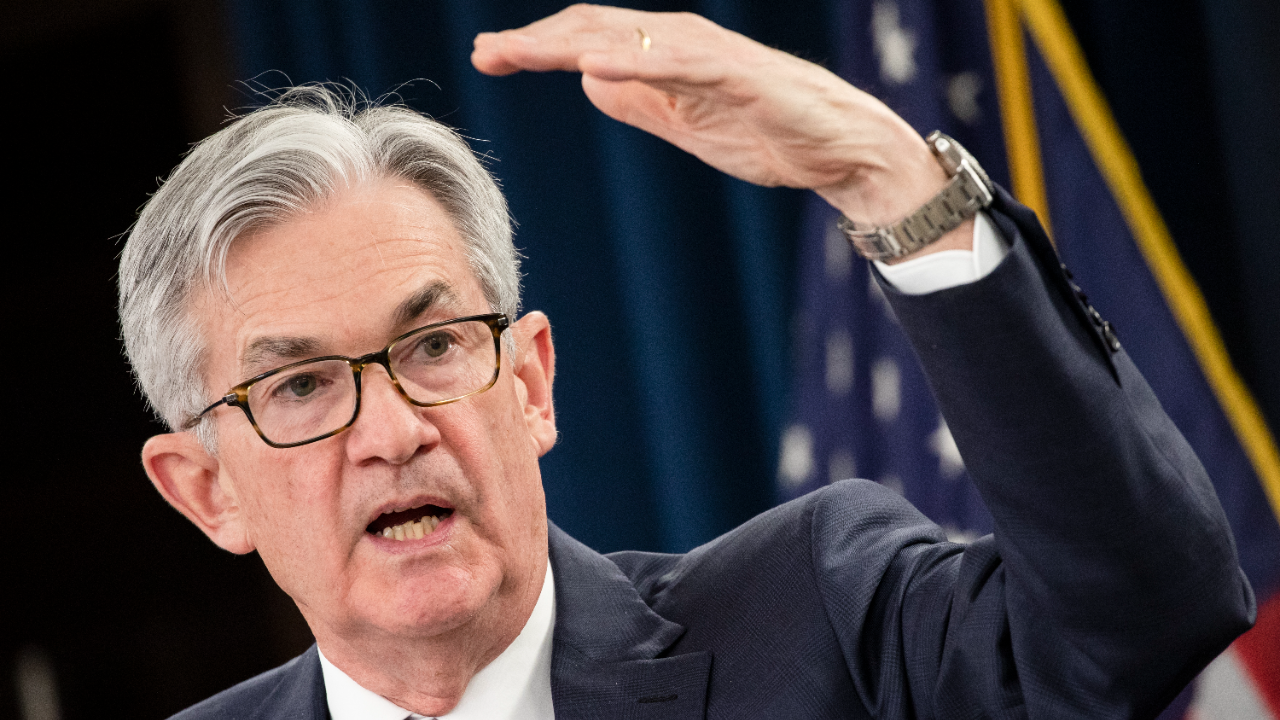
Jerome Powell, Zentralbankvorsitzender in den USA und damit für die globale Leitwährung verantwortlich, wird heute 20:00Uhr keine Zweifel lassen dürfen, inwieweit die „Purchase Power“ des US-Dollar wiederhergestellt werden wird. Situation heute ist, die Inflation beginnt sich selbst zu verstärken, die Löhne müssen steigen, damit der Absatz/Konsum nicht wegbricht.
Spätestens wenn die Inflation zweistellige Werte annimmt, bei wiederhergestellten Supply-Chains, sprich aller externen Ursachen der Inflation, könnte es unbequem werden. Damit die Weltwirtschaft floriert, müsste der Preis für Energieträger ohnehin sinken, so ist diese Variable sofort ausgemachte Ursache für die heutigen Kennzahlen der abgeleiteten Inflation. Sinnvoll schon, Energie, Produktion/Waren und Dienstleistungen als eigenständige Größen herauszuarbeiten; aber nur um umso deutlicher erkennen zu können, wie diese sich gegenseitige beeinflussen. Wenn allein der Preis für Energieträger unser Schicksal bestimmen würde, so wäre die OPEC+ und nicht die FED, an der Spitze mit einer der mächtigsten Institutionen.
Die geschichtlich unvergleichliche Geldmenge die in weniger als 2.5Jahren von knapp $4.5 Billionen ($4500 Milliarden) auf das doppelte Volumen von $9.0 Billionen ($9000 Milliarden) gebracht wurde, ist hauptursächlich für diese Geldentwertung. Um dieses Erodieren der Kaufkraft aufzuhalten, wird Jerome mehr brauchen als zwei Leitzinserhöhungen in Höhe von jeweils 75 Basispunkten in Folge. Vielmehr benötigt er nach dieser Geldpressen-Schaumparty ein neues Paradigma, eine Laudatio dem wertvollen Tauschmittel, der soliden Bilanz in schwarzer Schrift. Die Märkte müssen zur Besinnung gebracht, schlicht ein neues Gefühl für Verschwendung vs. Werterhalt muss einkehren.
Weitere Details und Ausblick auf den Exchange wie immer für Premium-Mitglieder.
Bünyamin
Goody Traders,
Jerome Powell, Central Bank Chairman in the USA and thus responsible for the world’s leading currency, will show no doubt today at 8:00 p.m. (UTC +2) to what extent the US dollar’s „purchase power“ will be restored. The situation today is that inflation is starting to intensify itself, wages have to rise so that sales/consumption don’t collapse.
It could become uncomfortable at the latest when inflation reaches double digits, with the supply chains restored, i.e. all external causes of inflation. In order for the world economy to flourish, the price of energy sources would have to fall anyway, so this variable is immediately the identified cause of today’s indicators of derived inflation. It does make sense to work out energy, production/goods and services as independent variables; but only to be able to see all the more clearly how they influence each other. If only the price of energy sources were to determine our destiny, OPEC+ and not the FED would be at the top of the most powerful institutions.
The historically incomparable amount of money, which has doubled from almost $4.5 trillion ($4500 billion) to $9.0 trillion ($9000 billion) in less than 2.5 years, is the main reason for this currency devaluation. To stop this erosion of purchasing power, Jerome will need more than two consecutive rate hikes of 75 basis points each. Rather, after this money-press foam party, he needs a new paradigm, a eulogy for the valuable medium of exchange, the solid balance sheet in black letters. The markets have to be brought to their senses, simply a new feeling for waste vs. value retention has to set in.
More details and my outlook on the Foreign Exchange as always for Premium Members.
Nachtrag!!
alles so weit wie besehen, Jerome widerspricht sich etwas, indem er sagt, die FED wird die Preisstabilität wieder herstellen, obgleich es etwas Zeit benötigen wird. Andererseits hat er sich zu der Aussage hinreißen lassen, es geben Szenarien, in denen die FED nicht mehr das Heft in der Hand hält. Eine genauere Erläuterung der Wahrscheinlichkeit dieser Szenarien blieb aus.
Eine Reporterin von ‚Politico‘ blamierte sich etwas mit der Frage, ob den ein „overshot“ (des Inflationsziels) nicht willkommen sei. Dem ist mit den Worten Jeromes zu entgegnen, dass diese Situation, wo kurz vor einem Meeting ökonomische Daten eine Änderung der planmäßigen Zinserhöhung bewirken, äußerst selten sei und wahrscheinlich nicht mehr vorkommen werde. Wichtige Worte, da nach der zweiten (Juli), anberaumten Erhöhung um weitere 75 Basispunkte der Leitzinssatz (LZ) bei 2.5% liegen wird. Das wäre die erste von vier noch ausstehenden Meetings, Leitzinserhöhungen. Angenommen, der LZ soll Q42022 bei 3-4.5% liegen, so folgt im September, November, Dezember maximal 0.5% und somit resultierend 4.0%.
Jerome betonte die Kern-Inflation als Maßgebliche Richtgröße und deren ultimative expansive Ausrichtung um die 2% festgestellt. Sprich, Produktionskosten (inklusive Logistik zum Konsument T-T) und Energie. Alles übrige geht größtenteils in Richtung „Headline-Inflation“ und bleibt von den Funktionen der Zentralbank unbeachtet.
Interessant zu hören, wie die FED-Mathematiker den Auswirkungen des Leitzinses nachspüren, entlang der Yield-Kurve, der Kern-Inflation, durch verschiedene Anlageformen hindurch…
Etwas zittrig zu Beginn der PK, wie üblich, aber ehrlich unter Stress, wie auch zu erwarten 😊
We LUV you Jerome <3
Bünyamin
Recap!!
all that being said, Jerome contradicts himself somewhat by saying the Fed will restore price stability, although it will take some time. On the other hand, he has allowed himself to be carried away to the statement that there are scenarios in which the Fed is no longer in charge. There was no more detailed explanation of the probability of these scenarios.
A reporter from Politico dressed herself down a bit when she asked whether an „overshot“ (of the inflation target) wasn’t also welcome at all. In the words of Jerome, this situation, where economic data causes a change in the planned interest rate increase shortly before a meeting, is extremely rare and will probably not happen again. Important words, because after the second (July) scheduled hike of another 75 basis points, the key interest rate (IR) will be at 2.5%. That would be the first of four meetings still to come, at which rate hikes are possible to make within schedule. Assuming that the IR should be 3-4.5% in Q42022, a maximum of 0.5% follows in September, November and December, resulting in 4.0%.
Jerome emphasized core inflation as the key benchmark and stated its ultimate expansionary bias to be around 2%. In other words, production costs (including logistics to the consumer D-D) and energy. Everything else largely goes towards „headline inflation“ and is ignored by central bank functions.
Interesting to hear the FED mathematicians trace the effects of the Fed rate along the yield curve, core inflation, through different asset classes…
A bit shaky at the beginning of the PK, as usual, but honestly under stress, as expected 😊
FX Power House Tuesday, 07-June-2022 (Speakers: Bünyamin Tasdelen)
Guten Morgen Traders,
nach dem 13. April 2022, erhöte die kanadische Zentralbank, bei ihrem Meeting am 01.Juni, den Leitzinssatz abermals um 50 Basispunkte auf nunmehr 1.5%. Die Inflationsrate in Kanada liegt aktuell zwischen 6.7% und 6.8%.
Auch die australischer Zentralbank erhöhte ihren Leitzinssatz zum 07.Juni um 50 Basispunkte auf 0.85%. Die Inflationsrate in Australien liegt aktuell zwischen 3.5% und 5.1%.
Das FXPowerHouse heute im Free-Blog!
Extra-Large 🙂
Weitere Details und Ausblick auf den Exchange wie immer für Premium-Mitglieder.
Bünyamin
Goody Traders,
After April 13, 2022, the Canadian central bank again increased the key interest rate by 50 basis points to 1.5% at its meeting on June 1st. The inflation rate in Canada is currently between 6.7% and 6.8%.
The Australian central bank also increased its key interest rate by 50 basis points to 0.85% on June 7th. The inflation rate in Australia is currently between 3.5% and 5.1%.
The FXPowerHouse today in the free blog!
extra large 🙂
More details and my outlook on the Foreign Exchange as always for Premium Members.
Jerome Powell at the spring meeting of the International Monetary Fund and the World Bank in Washington, April 21, 2022.
Guten Morgen Traders,
Jerome Powell äußerte sich gestern, 21. April, auf der Frühjahrstagung des Internationalen Währungsfonds und der Weltbank in Washington zur Geldpolitik der FED.
Neben der Chefin des IWF, Kristalina Georgieva, und Christine Lagarde, Vorsitzende der europäischen Zentralbank, machte Powell deutliche Aussagen zur Geschwindigkeit einer U.S.-Leitzinserhöhung. Dabei fiel auch der Satz Powells „Es ist angemessen, etwas schneller zu handeln […] 50 Basispunkte liegen auf dem Tisch […] für die Sitzung im Mai.“.
Weitere Details und Ausblick auf den Exchange wie immer für Premium-Mitglieder.
Bünyamin
Goody traders,
Jerome Powell commented on the Fed’s monetary policy yesterday, April 21, at the spring meeting of the International Monetary Fund and the World Bank in Washington.
Alongside IMF head Kristalina Georgieva and European Central Bank Chairwoman Christine Lagarde, Powell made clear statements about the speed of a U.S. interest rate hike. Powell dropped following sentence „it is appropriate to move a little bit more quickly […] 50 basis points been on the table […] for the May meeting.“.
Goedemorgen handelaren,
Jerome Powell gaf gisteren, 21 april, commentaar op het monetaire beleid van de Fed tijdens de voorjaarsbijeenkomst van het Internationaal Monetair Fonds en de Wereldbank in Washington.
Samen met IMF-hoofd Kristalina Georgieva en de voorzitter van de Europese Centrale Bank, Christine Lagarde, deed Powell duidelijke uitspraken over de snelheid van een Amerikaanse renteverhoging. Powells opmerkingen waren onder meer: „Het is gepast om iets sneller te handelen […] 50 basispunten liggen op tafel […] voor de vergadering van mei.“
Meer details en vooruitzichten op de forex-uitwisseling zoals altijd voor Premium leden.
Benni
Günaydın tüccarlar,
Jerome Powell, 21 Nisan dün Washington’da Uluslararası Para Fonu ve Dünya Bankası’nın Bahar Toplantısı’nda Fed’in para politikası hakkında yorum yaptı.
IMF başkanı Kristalina Georgieva ve Avrupa Merkez Bankası başkanı Christine Lagarde ile birlikte Powell, ABD’nin faiz artırımının hızı hakkında net açıklamalar yaptı. Powell’ın yorumları şunları içeriyordu: „Biraz daha hızlı hareket etmek uygun […] Mayıs toplantısı için masada […] 50 baz puan var.“
Guten Morgen Traders,
drei wichtige Zentralbanken haben in den letzten Tagen ihre monetäre Ausrichtung verkündet. Die Bank of Canada am Nachmittag des 26. Januar 2021 und die FED des Abends gleichen Datums. Heute Morgen folgte dann die Reserve Bank of Australia mit einem Statement by Philip Loewe (ohne Pressekonferenz).
Tiff Macklem, der Vorsitzende der kanadischen Zentralbank weist darauf hin, dass die Antwort auf die Pandemie klar und deutlich verlief. Man betrachtet heute den Supply-Chain-Shock, verursacht durch die Maßnahmen zwecks Pandemieabwehr, als größtenteils absorbiert. Der Leitzins wird in Anbetracht der überraschend langanhaltenden hohen Inflation, steigen müssen, so meint Macklem. Die Zeit für Notfall-Maßnahmen seitens der Zentralbank sei nun vorüber und man werde mit dem ‚Tightening‘ beginnen. Dazu wird das selektive Market Forward Guidance ausgeweitet, in dem Sinne, dass nun weitere Institutionen direkt von der Zentralbank beraten werden. Man verfolge das Ziel, das Balance Sheet der Zentralbank wieder zu verringern und gleichzeitig eine vorläufige Projektion der anberaumten Leitzinserhöhungen zu verlautbaren. All diese Maßnahmen sind in der Summe ein signifikanter Kurswechsel in der monetären Politik seiner Zentralbank, selbst wenn zu diesem Termin keine Leitzinserhöhung beschlossen wurde, so Tiff Mack‘. Probleme sehe man am Immobilienmarkt, welcher durch die niedrigen Kreditzinsen einer sehr starken Nachfrage unterliege. Der Ölpreis sei in den Szenarien der Zentralbank immer als flach einkalkuliert, als immer zum Nachteil des kanadischen Bruttoinlandproduktes gerechnet. Kanada ist ein erdölexportierendes Land und benötigt somit einen hohen Erdölpreis, damit sich die kostenintensive Schiefer- und Sandölgewinnung rentiert.
Jerome Powell ist ähnlich optimistisch und möchte sein Programm zum Ankauf von Staatsanleihen (Bond Purchase Program) bis Ende März 2022 beenden. Er betrachtet die Inflation nicht mehr als temporär und ‚transitory‘ wie bislang, sondern sieht die Inflation als Resultat der länger anhaltenden Supply-Chain Zerwürfnisse, hervorgerufen durch die Restriktiven Maßnahmen zur Eindämmung der Pandemie. Man sei jedoch optimistisch, dass die Maßnahmen zur Bekämpfung der Corona-Pandemie greifen und die Ökonomie sich weiter erholen wird. Man sieht auch bei der FED ein Ende des Quantitative Easing für angebracht und verkündet eine baldige Erhöhung seines Leitzinssatzes. Powell weist darauf hin, sein Mandat beinhalte die Preisstabilität zu bewahren, die Zentralbank unterliege dabei keinerlei Einschränkungen bezüglich der zu generierenden Geldmenge. Jedoch wird die Vollbeschäftigung gerne im Verhältnis zur Inflation betrachtet, wo ökonomisch sinnvoll. Dies bedeutet, dass neben der Preisstabilität auch die Vollbeschäftigung eine maßgebliche Richtgröße für die FED ist. Damit natürlich auch direkt verknüpft, die Gehaltsentwicklung und der Konsum. Ich lese aus seinen Sätzen heraus, er erwarte von den heimischen U.S. Unternehmen zukünftig die Supply-Chain besser zu sicher, was letztlich bedeutet, dass Intel & Co. ihre Produktion zurück in die USA verlagern sollten.
Die australische Zentralbank veröffentlichte lediglich ein knappes Statement ohne Pressekonferenz. Etwas enttäuschend, so ist gerade Sydney sehr bekannt, wenn es um die Kommunikation mit der breiten Masse geht. Bislang war das Team um den Vorsitzenden Loewe sehr vorbildlich und hat außerordentlich viel für Bildung und Verständnis monetärer Zentralbank-Politik geleistet. Schade also, dass wir dieses mal keine Fragen stellen durften. Im Prinzip aber, rudert Loewe etwas von seinem aggressiven ‚Tapering Stance‘ zurück. Man möchte die Kerninflation zwischen 2 und 3 Prozent sehen. Dazu werde man zwar die Expansion der Zentralbank-Bilanz weiter reduzieren (mehr Tapering), eine Erhöhung des Leitzinses aber an einem weiteren Anstieg der Kerninflation festmachen.
Insgesamt gesehen gibt es nun nur noch 2 „Good Doves“, wie ich jene Zentralbanker bezeichne, welche sich vor Inflation fürchten und eine aggressive Erhöhung der Geldmenge nicht wirklich befürworten. Hierzu zähle ich Powell (FED), Bailey (Bank of England) und Loewe (Reserve Bank of Australia). Loewe beginnt sich aus diesem Kreise zu entfernen und tendiert nun eher zu einer expansiveren Geldpolitik, relativ gesehen.
Weitere Details und Ausblick auf den Exchange wie immer für Premium Mitglieder.
Good morning traders,
three major central banks have announced their monetary stances in the past few days. The Bank of Canada on the afternoon of January 26, 2021 and the FED on the evening of the same date. The Reserve Bank of Australia followed this morning with a statement by Philip Loewe (without a press conference).
Tiff Macklem, Governor of Canada’s central bank, points out that the response to the pandemic has been explicitly. Today, the supply chain shock caused by the anti-pandemic measures is considered to have been largely absorbed. In view of the surprisingly long-lasting high inflation, the key interest rate will have to rise, Macklem believes. The time for emergency measures by the central bank is now over and tightening will begin. To this end, the selective market forward guidance will be expanded in the sense that more other institutions will now be advised directly as well by the central bank. The aim is to reduce the central bank’s balance sheet again and at the same time to announce a preliminary projection of the planned key rate hikes. Taken together, all of these measures represent a significant change of course in the monetary policy of his central bank, even if no rate hike was decided on that date, according to Tiff Mack‘. Problems can be seen in the real estate market, which is subject to very strong demand due to the low interest rates on loans. The oil price is always calculated flat in the central bank’s scenarios, to the detriment of Canada’s gross domestic product. Canada is an oil-exporting country and therefore needs a high oil price so that the cost-intensive shale and sand oil extraction is profitable.
Jerome Powell is similarly optimistic and wants to end his bond purchase program by the end of March 2022. He no longer sees inflation as temporary and transitory as before, but sees inflation as a result of the longer-lasting supply chain rifts caused by the restrictive measures to contain the pandemic. However, one is optimistic that the measures to combat the corona pandemic will take effect and that the economy will continue to recover. The FED also sees an end to quantitative easing as appropriate and announces an imminent increase in its key interest rate. Powell points out that his mandate includes maintaining price stability, thus therein the central bank is not subject to any restrictions on the amount of money that can be generated. However, full employment is often viewed in relation to inflation where it makes economic sense. This means that, in addition to price stability, full employment is also a key benchmark for the Fed. Of course, this is also directly linked to salary development and consumption. I read between the lines, that he expects the domestic U.S. companies to better secure the supply chain in the future, which ultimately means that Intel & Co. should relocate their production back to the USA.
The Australian central bank published only a brief statement without a press conference. A bit disappointing, Sydney is very popular when it comes to communicating with the public. So far, the team around Chairman Loewe has been very exemplary and has done an extraordinary amount of education and lectures towards understanding monetary central bank policy. So it’s a pity that we weren’t allowed to ask any questions this time. In principle, however, Loewe is rowing back a bit of its aggressive ‚tapering stance‘. One would like to see core inflation between 2 and 3 percent. To this end, although the expansion of the central bank’s balance sheet will be further reduced (more tapering), an increase in the key interest rate will be tied to a further rise in core inflation.
All in all, there are now only 2 „good doves“, as I call those central bankers who fear inflation and do not really advocate aggressively increasing the money supply. I consider those Good Doves to be three major central bankers, namely Powell (FED), Bailey (Bank of England) and Loewe (Reserve Bank of Australia). Loewe is beginning to move away from this circle and is now tending towards a more expansive monetary policy, relatively speaking.
More details and exchange outlook as always for Premium members.
Goedemorgen handelaren,
drie grote centrale banken hebben de afgelopen dagen hun monetaire koers bekendgemaakt. De Bank of Canada op de middag van 26 januari 2021 en de FED op de avond van dezelfde datum. De Reserve Bank of Australia volgde vanmorgen met een verklaring van Philip Loewe (zonder persconferentie).
Tiff Macklem, gouverneur van de centrale bank van Canada, wijst erop dat er expliciet op de pandemie is gereageerd. Vandaag de dag wordt de schok in de toeleveringsketen als gevolg van de antipandemische maatregelen geacht grotendeels te zijn opgevangen. Gezien de verrassend langdurig hoge inflatie zal de beleidsrente omhoog moeten, meent Macklem. De tijd van noodmaatregelen door de centrale bank is nu voorbij en de verkrapping zal beginnen. Hiertoe zal de selectieve market forward guidance worden uitgebreid in die zin dat andere instellingen nu rechtstreeks door de centrale bank worden geadviseerd. Het doel is om de balans van de centrale bank weer te verkleinen en tegelijkertijd een voorlopige projectie van de geplande beleidsrenteverhogingen aan te kondigen. Al deze maatregelen samen vertegenwoordigen volgens Tiff Mack‘ een belangrijke koerswijziging in het monetaire beleid van zijn centrale bank, zelfs als er op die datum geen renteverhoging werd besloten. Er zijn problemen te zien op de vastgoedmarkt, die door de lage rente op leningen onderhevig is aan een zeer sterke vraag. De olieprijs wordt in de scenario’s van de centrale bank altijd vlak berekend, ten koste van het bruto binnenlands product van Canada. Canada is een olie-exporterend land en heeft daarom een hoge olieprijs nodig om de kostenintensieve schalie- en zandoliewinning rendabel te maken.
Jerome Powell is eveneens optimistisch en wil zijn obligatie-aankoopprogramma voor eind maart 2022 beëindigen. Hij ziet inflatie niet langer als tijdelijk en voorbijgaand als voorheen, maar ziet inflatie als een gevolg van de langdurigere breuken in de toeleveringsketen veroorzaakt door de beperkende maatregelen om de pandemie in te dammen. Wel is men optimistisch dat de maatregelen ter bestrijding van de coronapandemie effect gaan sorteren en dat de economie zich verder zal herstellen. De FED ziet waar nodig ook een einde aan de kwantitatieve versoepeling en kondigt een op handen zijnde verhoging van haar belangrijkste rentetarief aan. Powell wijst erop dat zijn mandaat het handhaven van prijsstabiliteit omvat, dus daarin is de centrale bank niet onderworpen aan enige beperking van de hoeveelheid geld die kan worden gegenereerd. Volledige werkgelegenheid wordt echter vaak gezien in relatie tot inflatie waar dit economisch zinvol is. Dit betekent dat naast prijsstabiliteit ook volledige werkgelegenheid een belangrijke maatstaf is voor de Fed. Uiteraard is dit ook direct gekoppeld aan salarisontwikkeling en consumptie. Ik lees tussen de regels door dat hij verwacht dat de binnenlandse Amerikaanse bedrijven de toeleveringsketen in de toekomst beter zullen beveiligen, wat uiteindelijk betekent dat Intel & Co. hun productie terug naar de VS moet verplaatsen.
De Australische centrale bank publiceerde slechts een korte verklaring zonder persconferentie. Een beetje teleurstellend, Sydney is erg populair als het gaat om communicatie met het publiek. Tot dusverre is het team rond voorzitter Loewe zeer voorbeeldig geweest en heeft het buitengewoon veel onderwijs en begrip van het monetaire beleid van de centrale bank gegeven. Het is dus jammer dat we deze keer geen vragen mochten stellen. In principe roeit Loewe echter een beetje terug van zijn agressieve ‚tapering stance‘. Men zou graag zien dat de kerninflatie tussen de 2 en 3 procent ligt. Hiertoe zal, hoewel de uitbreiding van de balans van de centrale bank verder wordt afgebouwd (meer taps), een stijging van de beleidsrente gekoppeld worden aan een verdere stijging van de kerninflatie.
Al met al zijn er nu nog maar 2 „goede duiven“, zoals ik die centrale bankiers noem die bang zijn voor inflatie en niet echt pleiten voor een agressieve verhoging van de geldhoeveelheid. Ik ben onder meer Powell (FED), Bailey (Bank of England) en Loewe (Reserve Bank of Australia). Loewe begint deze cirkel te verlaten en neigt nu relatief gezien naar een ruimer monetair beleid.
Meer details en uitwisselingsvooruitzichten zoals altijd voor Premium-leden.
Günaydın tüccarlar,
Üç büyük merkez bankası son birkaç gün içinde parasal duruşlarını açıkladı. 26 Ocak 2021 öğleden sonra Kanada Merkez Bankası ve aynı tarihin akşamı FED. Avustralya Merkez Bankası bu sabahı Philip Loewe’un (basın toplantısı olmadan) yaptığı bir açıklamayla takip etti.
Kanada Merkez Bankası Başkanı Tiff Macklem, pandemiye verilen yanıtın açıkça verildiğine dikkat çekiyor. Bugün, pandemi karşıtı önlemlerin neden olduğu tedarik zinciri şokunun büyük ölçüde absorbe edildiği düşünülmektedir. Macklem, şaşırtıcı derecede uzun süreli yüksek enflasyon göz önüne alındığında, kilit faiz oranının yükselmesi gerektiğine inanıyor. Merkez bankasının acil önlem alma süresi artık sona erdi ve sıkılaştırma başlayacak. Bu amaçla, seçici piyasa ileriye yönelik rehberliği, diğer kurumlara artık doğrudan merkez bankası tarafından tavsiyede bulunulması anlamında genişletilecektir. Amaç, merkez bankasının bilançosunu tekrar küçültmek ve aynı zamanda planlanan kilit faiz artırımlarının ön projeksiyonunu açıklamaktır. Tiff Mack’e göre, birlikte ele alındığında, tüm bu önlemler, o tarihte herhangi bir faiz artırımına karar verilmemiş olsa bile, merkez bankasının para politikasında önemli bir rota değişikliğini temsil ediyor. Kredi faiz oranlarının düşük olması nedeniyle oldukça yoğun talep gören emlak piyasasında sorunlar görülebilmektedir. Petrol fiyatı, Kanada’nın gayri safi yurtiçi hasılasının zararına, merkez bankasının senaryolarında her zaman düz olarak hesaplanır. Kanada petrol ihraç eden bir ülkedir ve bu nedenle yüksek maliyetli şist ve kum yağı çıkarmanın karlı olması için yüksek bir petrol fiyatına ihtiyaç duyar.
Jerome Powell da benzer şekilde iyimser ve tahvil alım programını Mart 2022’nin sonuna kadar sona erdirmek istiyor. Artık enflasyonu eskisi gibi geçici ve geçici olarak görmüyor, ancak enflasyonu kısıtlayıcı koşulların neden olduğu daha uzun süreli tedarik zinciri yarıklarının bir sonucu olarak görüyor. Salgını kontrol altına almak için önlemler. Ancak, korona salgınıyla mücadele önlemlerinin yürürlüğe gireceği ve ekonominin toparlanmaya devam edeceği konusunda iyimseriz. FED ayrıca niceliksel genişlemeye uygun şekilde bir son vermekte ve kilit faiz oranında yakın bir artış olacağını ilan etmektedir. Powell, görevinin fiyat istikrarını korumayı içerdiğine, dolayısıyla merkez bankasının üretilebilecek para miktarı üzerinde herhangi bir kısıtlamaya tabi olmadığına dikkat çekiyor. Bununla birlikte, tam istihdam, genellikle ekonomik açıdan anlamlı olduğu durumlarda enflasyonla ilişkili olarak görülür. Bu, fiyat istikrarına ek olarak tam istihdamın da Fed için önemli bir kriter olduğu anlamına geliyor. Tabii ki, bu aynı zamanda maaş gelişimi ve tüketimi ile doğrudan bağlantılıdır. Satır aralarını okudum, yerli ABD şirketlerinin gelecekte tedarik zincirini daha iyi güvence altına almasını beklediğini, bu da Intel & Co.’nun üretimlerini ABD’ye geri taşıması gerektiği anlamına geliyor.
Avustralya merkez bankası, basın toplantısı yapmadan sadece kısa bir açıklama yayınladı. Biraz hayal kırıklığı yaratan Sydney, halkla iletişim söz konusu olduğunda çok popüler. Şimdiye kadar, Başkan Loewe’nin etrafındaki ekip çok örnek oldu ve olağanüstü miktarda eğitim ve parasal merkez bankası politikası anlayışı yaptı. Bu sefer soru sormamıza izin verilmemesi üzücü. Ancak prensipte Loewe, agresif ‚konik duruşunu‘ biraz geri alıyor. Çekirdek enflasyonu yüzde 2 ile 3 arasında görmek istiyoruz. Bu amaçla, merkez bankasının bilançosunun genişlemesi daha da azalacak (daha da azalacak) olsa da, kilit faiz oranındaki bir artış çekirdek enflasyonda daha fazla artışa bağlanacaktır.
Sonuç olarak, enflasyondan korkan ve para arzını agresif bir şekilde artırmayı gerçekten savunmayan merkez bankacıları dediğim, şimdi sadece 2 „iyi güvercin“ var. Powell (FED), Bailey (İngiltere Bankası) ve Loewe (Avustralya Rezerv Bankası) dahil. Loewe bu döngüden uzaklaşmaya başlıyor ve şimdi nispeten daha geniş bir para politikasına yöneliyor.
Premium üyeleri için her zaman olduğu gibi daha fazla ayrıntı ve fikir alışverişi.
Goedemorgen handelaren,
Mis het niet: Vandaag vanaf 19.45 uur. de LIVE-podcast over het rentebesluit van de Fed. Registreer nu onder MumbleFX-Premium
Benji
Günaydın tüccarlar,
Kaçırmayın: Bugün saat 19.45’ten itibaren. Fed politika oranı kararına ilişkin CANLI podcast. MumbleFX-Premium altında şimdi kaydolun.
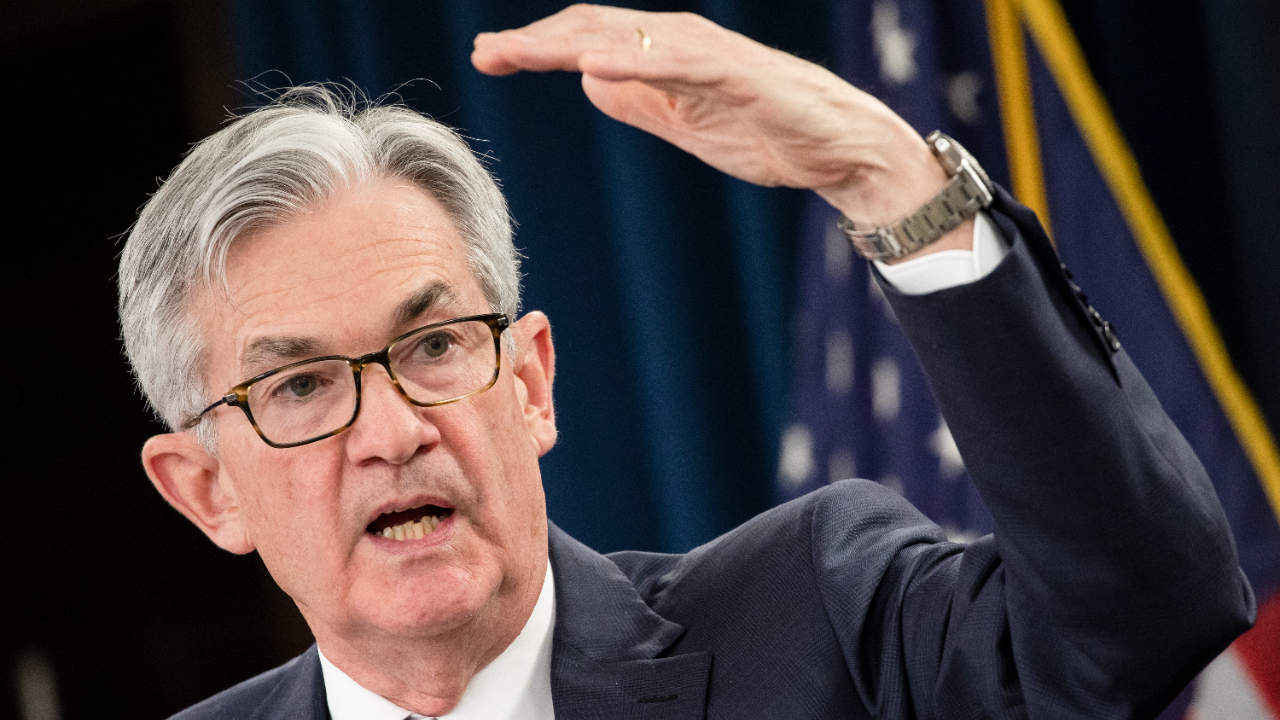
 Jerome Powell, Zentralbankvorsitzender in den USA und damit für die globale Leitwährung verantwortlich, wird heute 20:00Uhr keine Zweifel lassen dürfen, inwieweit die „Purchase Power“ des US-Dollar wiederhergestellt werden wird. Situation heute ist, die Inflation beginnt sich selbst zu verstärken, die Löhne müssen steigen, damit der Absatz/Konsum nicht wegbricht.
 Jerome Powell, Central Bank Chairman in the USA and thus responsible for the world’s leading currency, will show no doubt today at 8:00 p.m. (UTC +2) to what extent the US dollar’s „purchase power“ will be restored. The situation today is that inflation is starting to intensify itself, wages have to rise so that sales/consumption don’t collapse.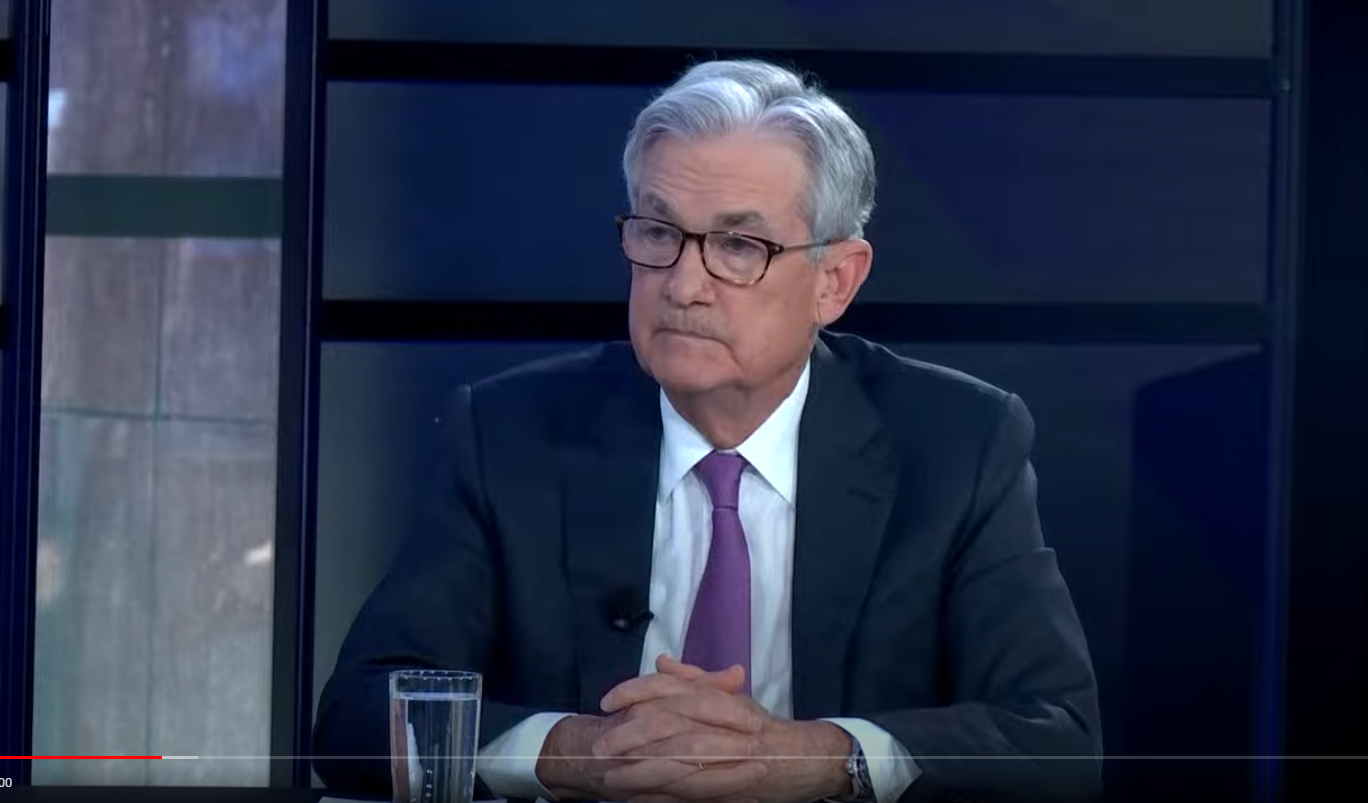
 ジェローム・パウエルは、昨日4月21日にワシントンで開催された国際通貨基金と世界銀行の春季会合で、FRBの金融政策についてコメントしました。
  Jerome Powell gaf gisteren, 21 april, commentaar op het monetaire beleid van de Fed tijdens de voorjaarsbijeenkomst van het Internationaal Monetair Fonds en de Wereldbank in Washington.
 Jerome Powell, 21 Nisan dün Washington’da Uluslararası Para Fonu ve Dünya Bankası’nın Bahar Toplantısı’nda Fed’in para politikası hakkında yorum yaptı.